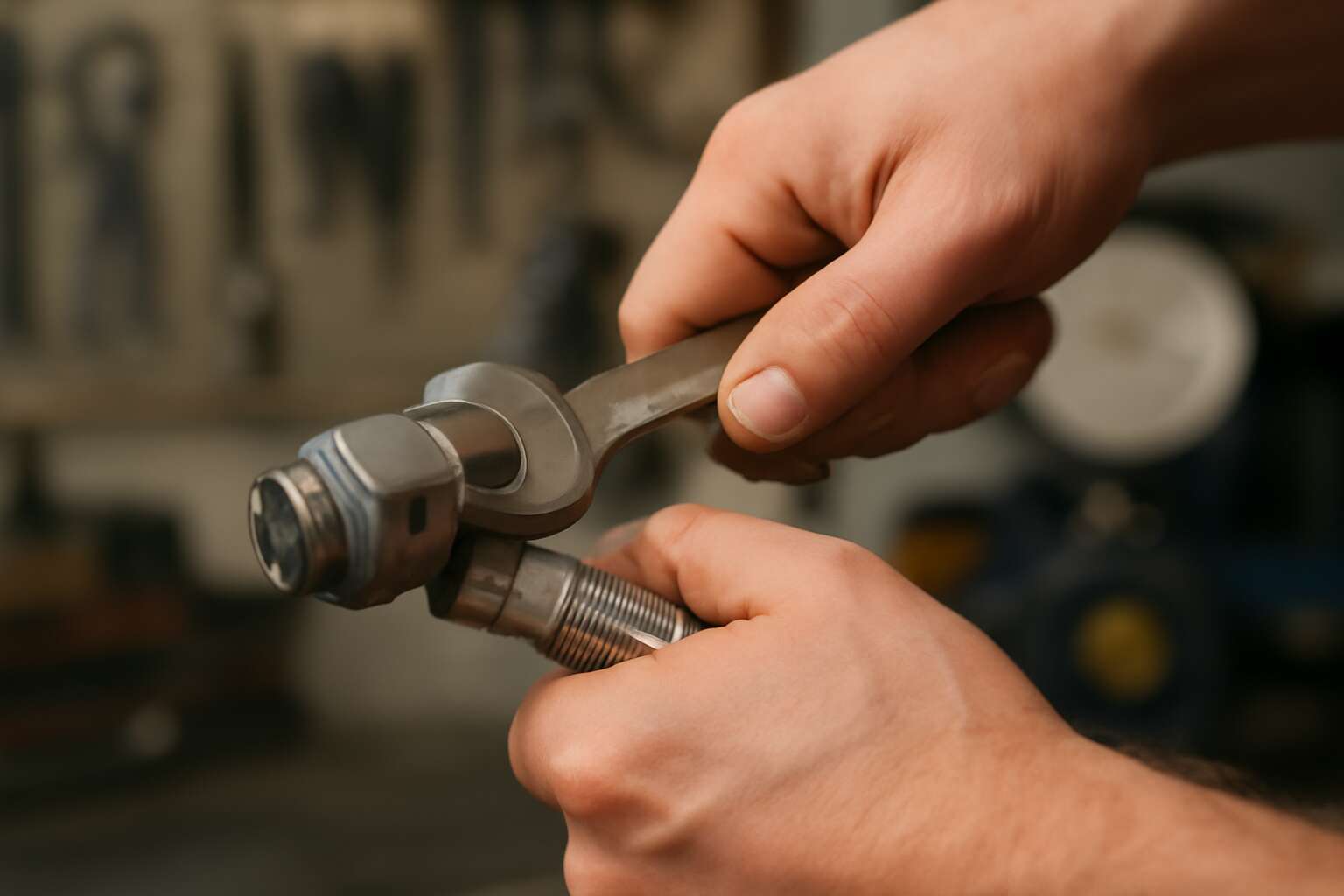
Understanding Hydraulic Hose Repair Components
Common Fitting Types and Configurations
Across South Africa’s heavy machinery workshops, up to 30% of hydraulic downtime traces to a simple, stubborn culprit: fittings. A loose ferrule, a nicked seal, or a misthread can unleash chaos within minutes. The right connections—robust, well-aligned, and built for the pressure—keep the system humming and the crew safe, as if a quiet guardian watches the line.
Understanding hydraulic hose repair fittings begins with recognizing the components that make a secure seal: ferrules, nuts, and seat surfaces that tolerate SA’s temperature swings. The right fit counters leaks, vibration, and flexing that can crack hoses at the most vulnerable bend.
- JIC and ORB-style fittings
- NPT and BSP configurations
- Flare and compression connections
Configurations vary—from straight couplings to 90-degree elbows—each demands matching ID, thread, and seat material. When the fit is right, you feel the system breathe easier and operate with less noise, less heat, and more predictable performance.
Materials and Compatibility
In South Africa’s bustling heavy workshops, one quarter of hydraulic downtime traces to a stubborn culprit: fittings that fail before the system does. Hydraulic hose repair fittings are not mere hardware—they are the guardians of flow, alignment, and safety, quietly bearing the pressure as the line hums to life.
Materials and compatibility form the backbone of a durable seal: ferrules in stainless steel or brass, seat surfaces engineered for wear, and elastomer seals that tolerate SA’s temperature swings. For common fluids—mineral-oil bases and synthetic esters—Buna-N, Viton, and EPDM offer different strengths. Match the metal and the seal to the environment, and noise, heat, and leaks retreat.
- Material pairing and corrosion resistance
- Elastomer choices aligned with hydraulic fluids
- Seat and ferrule compatibility with pressure and temperature
These elements, when harmonised, give hydraulic hose repair fittings the resilience to endure the continent’s dust, heat, and drive for uptime.
Industry Standards and Specifications
In South Africa’s rugged workshops, reliability is a quiet currency. A telling slice of downtime—around 25%—stems from fittings failing before the system does. Understanding industry standards for hydraulic hose repair fittings anchors reliability, guiding selection, assembly, and inspection when the pressure rises and the heat clings to every joint.
Industry standards and specifications keep the flow honest and the risk low. ISO 4413 outlines safety and performance for hydraulic systems; SAE J517 and DIN 2353 set interface tolerances for hoses and fittings; local SABS guidelines ground practice in our climate and dust.
- ISO 4413: safety and performance framework
- SAE J517 and DIN 2353: interface tolerances
- SABS: local pressure, temperature, and media guidelines
Applied correctly, hydraulic hose repair fittings and the standards that govern them shape every choice, ensuring compatibility with SA’s pressure and temperature extremes.
Selecting Appropriate Fittings for Hydraulic Systems
Size, Thread, and Connection Types
On South Africa’s bustling workshop floors, a single misfit can stall a shift and drain a budget. Maintenance logs show up to 25% of hydraulic leaks stem from fittings that don’t match the hose or port. When selecting hydraulic hose repair fittings, size, thread, and connection type decide the difference between smooth operation and downtime. It’s a lifeline on hot, noisy days!
Consider these factors:
- Size alignment with the hose bore and system pressure.
- Thread form and seal: NPT, BSP, SAE, plus an appropriate O-ring or crush washer.
- Connection style: threaded, swivel, or quick-connect options.
- System compatibility: verify pressure, temperature range, and fluid compatibility.
In South Africa’s demanding industries, the fit of a connection speaks volumes about reliability and resilience.
Material Selection and Durability
Two seconds of misfit can erase an hour of progress. In South Africa’s bustling workshops, 25% of hydraulic leaks trace to fittings that don’t align with the hose or port. Selecting appropriate fittings for hydraulic systems, with careful material selection and durability, is the difference between smooth uptime and stubborn downtime. The right choice protects hydraulic hose repair fittings from early fatigue and keeps lines singing through long shifts.
Material decisions matter as much as the spec sheet. Stainless steel offers heat and corrosion resistance; plated carbon steel keeps costs reasonable; brass serves mid‑pressure lines where flexibility wins. Elastomer seals—NBR for oils, FKM for higher temps—must match the fluid. Coastal humidity and inland heat push coatings and passivation to the front line, extending service life amid dust and vibration.
- Fluid compatibility and seal material
- Corrosion resistance and coatings
- Temperature and pressure ratings
- Maintenance access and wear tolerance
Choosing the right material for hydraulic hose repair fittings becomes a quiet partner in productivity, guarding uptime on hot days and in noisy workshops.
Sealants, Adapters, and Compatibility
In South Africa’s bustling workshops, where 25% of hydraulic leaks trace to misaligned fittings, the choice of hydraulic hose repair fittings becomes a quiet test of character I’ve watched time and again. A single misfit can derail an entire shift, turning momentum into stasis and dust into drama. The right fittings honor the work and keep the line singing through the hottest days and the loudest celebrations of progress.
Sealants, adapters, and compatibility weave through every decision. Sealants must resist oils and heat; adapters must align with hose, thread, and port standards; compatibility means the entire fluid path stays resilient under pressure, vibration, and seasonal humidity.
- Sealant and gasket compatibility with hydraulic fluids
- Adapter geometry and thread standards
- Coatings and corrosion resistance under dust and heat
Choosing with intention is more than mechanics; it is a pledge to uptime, a statement about pride in a trade that keeps communities moving.
Environmental and Temperature Considerations
“The line sings when the fittings listen,” a veteran once told me, and I never forget it. In South Africa’s bustling workshops, blazing summers and dusty mornings test every joint. Environmental and temperature swings push seals, oils, and threads to their limits, so choosing hydraulic hose repair fittings becomes a quiet craft of anticipation rather than reaction. The right pairing keeps pressure from turning to silence and keeps the factory floor in rhythm.
Consider temperature tolerance, fluid viscosity shifts with heat, UV exposure, and dust. Materials should resist corrosion and maintain seal integrity across cycles. Coatings and elastomer compatibility matter; select fittings that endure vibration and seasonal humidity. In this climate, character shows in the fit—the quiet assurance of a line that won’t betray you.
Installation Techniques and Best Practices
Proper Cutting and Insertion Methods
In the quiet thunder of a well-tuned hydraulic plant, micro-mist leaks betray careless fittings. Audits show up to 37% of hydraulic hose failures stem from improper installation—sharpening the focus on hydraulic hose repair fittings and the craft behind them. Precision here sustains pressure, performance, and safety in South Africa’s demanding environments.
Proper cutting and insertion are less about shortcuts and more about respect for the seal, material, and system. Keep the work area disciplined, tools clean, and components compatible with service conditions. Emphasise square cuts, burr-free edges, and a gentle, deliberate seating that honours the hose assembly and its connectors.
In the realm of installation techniques and best practices, mindset matters as much as method. Flaws may show in mating parts, true alignment remains essential, and twisting the hose undermines the seal. A psychology of care—patience, focus, and a deliberate pace—favors fewer leaks and safer operations.
Assembly Procedures and Torque Guidelines
In the steady pulse of a hydraulic plant, precision is a kind of courage. Installation techniques demand a disciplined mind; true alignment beats a hurried twist. Each connection deserves clean interfaces and square seating, a quiet promise to the system. This is why hydraulic hose repair fittings demand care.
Torque guidelines are less a fetish of numbers and more a conversation between threads, seats, and seals. Apply steady, gradual tightening, then pause to verify that the seal has seating consilience before pressurizing.
- Align parts before assembly
- Seat with even, gentle pressure
- Verify mating surfaces and final seating
Intuition follows repetition; in South Africa’s workshops, patience is maintenance. The right mindset turns procedure into protection, transforming potential leaks into quiet confidence.
Quality Assurance and Leak Testing
One stubborn drip costs more than a new hose in downtime and scrap, especially in SA plants where every minute counts. When installing hydraulic hose repair fittings, precision is a quiet form of courage: clean interfaces, square seating, and a calm, deliberate mindset keep systems singing instead of sighing. A hurried twist never forgives a future leak.
Installation is a dialogue between threads, seats, and seals. Align parts, apply even pressure, and verify mating surfaces before any sign of pressure.
- Cleanliness and traceability of components
- Validation of seating interfaces and sealing planes
- Documentation and quality control records
Quality assurance underpins every assembly for hydraulic hose repair fittings. Leak testing—visual inspection, pressure-hold checks, and non-destructive evaluation— isn’t a box-ticking exercise but a safeguard against silent failures. In the SA workshop vernacular, that vigilance translates into longer service intervals and lower risk of unexpected shutdowns.
Safety Protocols and PPE
In South Africa’s maintenance bays, a single stubborn drip can cost more in downtime than a fresh hose. With hydraulic hose repair fittings, installation becomes a test of patience: clean interfaces, square seating, and a calm mindset keep systems singing instead of sighing.
- Eye protection
- Gloves
- Face shield
- Hearing protection
- Safety boots
Installation is a dialogue between threads, seats, and seals—align parts, apply even pressure, and verify mating surfaces before any sign of pressure. Safety isn’t a courtesy; it’s the first line of defense in a workshop that never sleeps.
In practice, the discipline around hydraulic hose repair fittings shows up as mindful preparation, steady hands, and a culture of reporting anomalies. That discipline extends to every installation of hydraulic hose repair fittings, too. It’s more than PPE—it’s a quiet pledge to longevity in harsh environments, where heat, oil, and vibration test every seal.
Maintenance, Troubleshooting, and Replacement Guidelines
Inspecting for Wear and Damage
A powerful reminder from SA workshops: one hour of downtime can derail production and cost thousands! Maintenance of hydraulic hose repair fittings matters—not as a chore, but as a principle. Regular checks, clean connections, and noting wear keep systems reliable for the long haul.
Troubleshooting should be a patient, curious exercise. Look for wear, corrosion, or misalignment in seals, fittings, and hoses. Do quick checks:
- Inspect external wear or abrasion near connections
- Confirm seating and absence of cross-threading
- Check for contamination in the fluid that can degrade seals
These observations tell a story about the health of your plant. When faults persist, professional evaluation is warranted.
Replacement guidelines emphasise compatibility, certification, and traceability. Choose matching components and update maintenance records so future service life is informed rather than guesswork. This stewardship strengthens safety across South Africa’s industries.
Leak Detection and Pressure Testing
One hour of downtime can derail a production line and cost thousands—maintenance is the small price to pay. Regularly wipe and inspect couplings, tighten where needed, and keep environments clean to extend the life of hydraulic hose repair fittings. Small, steady attention prevents random failures and costly downtime.
Troubleshooting should be patient and curious, a practice in detective work rather than a hurried fix. Look for wear, corrosion, or misalignment in seals, fittings, and hoses. Quick checks:
- Inspect external wear or abrasion near connections
- Confirm seating and absence of cross-threading
- Check for contamination in the fluid that can degrade seals
Replacement Guidelines emphasize compatibility, certification, and traceability. Choose matching components and update maintenance records so future service life is informed rather than guesswork. This stewardship strengthens safety across South Africa’s industries. Also, integrate Leak Detection and Pressure Testing as part of the final verification process to catch issues early.
Replacement Scheduling and Spares Inventory
Maintenance keeps the hydraulic hose repair fittings humming. A disciplined cadence reduces surprises on the line and lengthens service life. In practice, teams track wear, wipe down interfaces, and keep environments clean—the quiet guardrails preventing random failures and costly downtime.
Troubleshooting is detective work, not a dash for the exit. Look for wear, corrosion, or misalignment in seals, fittings, and hoses. Quick checks:
- External wear or abrasion near connections
- Confirm seating and absence of cross-threading
- Check for contamination in the fluid that can degrade seals
Replacement scheduling and spares inventory integrate safety, certification, and traceability. Choose matching components and keep meticulous records; this governance steadies maintenance decisions across South Africa’s industries, ensuring hydraulic hose repair fittings stay dependable.
- Spare parts catalog and traceability
- Regular inventory reviews with buffers
- Certification and compatibility records
Common Failure Modes and Prevention
Maintenance keeps the hydraulic heartbeat steady, especially in South Africa’s bustling workshops where downtime costs ripple across the line. Studies show up to 20% of failures trace to worn or loose connections. A disciplined cadence reduces surprises, elevates cleanliness, and lengthens service life for all components—hydraulic hose repair fittings included.
Troubleshooting is detective work, not a sprint. It’s about reading the system’s whispers: subtle leaks, sluggish response, or irregular pressure that hints at misalignment or seal fatigue. Approach with patience, note evidence, and map clues to the likely fault without rushing to a replacement.
Replacement guidelines illuminate common failure modes: wear from flexing, corrosion in harsh environments, fluid contaminants, and vibrations that erode seals. Prevention is a disciplined craft—select compatible materials, ensure proper routing, keep interfaces clean, and maintain meticulous, traceable records so every decision is anchored in history.
Repair vs. Replacement Decision Factors
Maintenance is the heartbeat of a reliable system; in South Africa’s busy workshops downtime ripples across the line. A disciplined cadence keeps the network resilient and lengthens life for hydraulic hose repair fittings.
Troubleshooting is detective work, not a sprint; read the system’s whispers: leaks, sluggish response, or irregular pressure. Document symptoms and map clues to likely faults, avoiding reflex replacements—the patient observer often preserves more than speed.
When repair becomes impractical, the decision hinges on key factors: age, wear, cost, downtime, and safety.
- Age and wear trajectory
- Cost comparison and downtime impact
- Safety implications and regulatory compliance
- Availability of spares and lead times



0 Comments