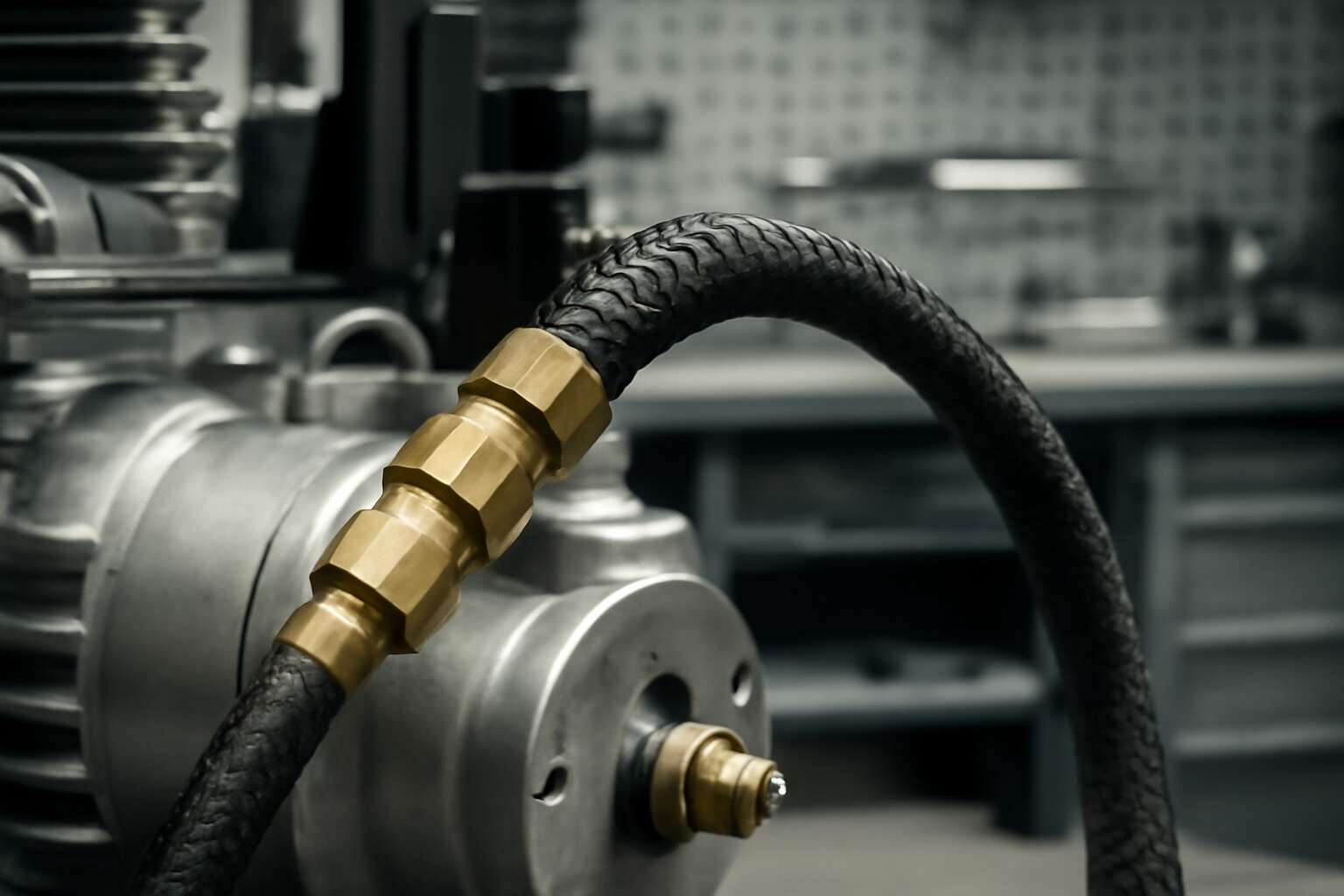
Overview of Hydraulic Hoses in Air Compressor Systems
What Is a Hydraulic Hose in Pneumatic Applications
“The quiet hiss of a failing hose can derail a shift,” goes the saying in South Africa’s workshops. The hydraulic hose for air compressor is more than tubing—it’s the lifeblood of production, guiding power from piston to tool and masking risk. This overview peers into what keeps these hoses reliable in pneumatic systems without getting lost in jargon.
In pneumatic applications, a hydraulic hose must flex, resist abrasion, and endure heat while staying leak-free under pressure. Core elements—the inner tube, reinforcement, and a tough outer jacket—are chosen with South African environments in mind, balancing durability and cost to keep air moving with confidence!
The hydraulic hose for air compressor embodies a compromise between power and protection, a line designed to endure daily strain while preserving air integrity. Key characteristics include reliability under pressure, flexible routing, and a jacket that resists UV and grit.
Key Functions and Benefits for Air Compressors
In South Africa’s workshops, downtime from hose failures can run up to 12% of shifts, derailing line speed and morale. The hydraulic hose for air compressor isn’t mere tubing—it’s the lifeblood of production, a conduit that carries power from pump to tool with quiet, persistent faith.
They must flex, resist abrasion, and endure heat while staying leak-free under pressure. The inner tube, reinforcement, and outer jacket are chosen with South Africa’s dust and sun in mind, balancing durability and cost as the line threads from compressor to cylinder with unquestioned reliability.
This conduit offers more than flow; it promises predictable performance, safer operation, and longer service intervals. In busy workshops, that calm breath—air moving freely where needed—becomes the heartbeat of productivity.
Common Uses in Industrial Compressors and Pneumatic Tools
Across South Africa’s workshops, downtime from hose failures can steal up to 12% of a shift, muting line speed and morale. The hydraulic hose for air compressor is the quiet backbone of production—a conduit that carries power from pump to tool with unwavering faith!
These hoses must flex, resist abrasion, and endure heat while staying leak-free under pressure. The inner tube, reinforcement, and outer jacket are chosen with dust and sun in mind, balancing durability and cost as the line threads from compressor to cylinder with reliability.
They serve far more than a simple transfer of air. In real-world plants, the hydraulic hose for air compressor supports every motion—from heavy pneumatically powered presses to delicate spray rigs—keeping operations safe and predictable.
Common uses in industrial settings include:
- Industrial compressors powering assembly lines
- Pneumatic tools for maintenance and production
- Automated equipment and robotic actuation
Safety and Compliance Basics for High-Pressure Hoses
South Africa’s workshops run on nerves of steel and elbow grease; downtime from high-pressure hose failures can steal up to 12% of a shift, and the sound of a stubborn compressor does not help morale. The hydraulic hose for air compressor is the quiet backbone of production—a conduit that carries power from pump to tool with unfailing faith.
Safety and compliance basics begin where pressure meets design: the inner tube, reinforcement, and outer jacket must endure heat, abrasion, and momentary overloading while staying leak-free. Dust and sun are not mere annoyances here—they are variables that demand resilience, reliability, and clear labeling. In South Africa, compliance means traceability, certification, and alignment with local standards.
- Pressure rating and burst protection
- Material compatibility with air and lubricants
- Thermal and environmental resilience against dust and sun
When chosen with these basics in view, South African plants keep lines flowing with confidence.
Material and Construction of Hoses for Air Systems
Inner Tube Materials and Compatibility with Compressed Air
In the workshop chaos of SA industry, a hose is not just a hose—it’s a lifeline. A frayed inner tube or a brittle cover can derail a shift faster than you can say ‘cheap fittings’. When you pair the right build with the right environment, compressed air sings instead of squeals, and your tools thank you in quiet, consistent performance.
Material choice starts with the inner tube. For a hydraulic hose for air compressor, the tube should resist oils, moisture, and temperature swings. Nitrile rubber (NBR) handles oil-rich atmospheres well; EPDM shines in heat and ozone-rich environments; neoprene offers a balanced blend for moderate duty. Matching the tube to duty is a small investment with outsized dividends.
Material matters, but construction counts too. Here’s a quick snapshot of inner tube materials and compatibility with compressed air:
- NBR (nitrile) – oil resistance and general‑purpose air lines
- EPDM – excels in heat and ozone environments, stable in outdoor shops
- Neoprene – balanced performance for moderate temperature ranges
Construction wise, a braided textile or spiral reinforcement enhances pressure handling and kink resistance.
Reinforcement Layers and Pressure Ratings
In South Africa’s workshops, a single hose failure can stall a shift and spike costs. The hydraulic hose for air compressor is more than a conduit—it’s a lifeline! The path from pump to tool hinges on materials that resist heat, oil, and moisture; on how the wall is reinforced; on the pressure rating that keeps cycles smooth rather than sputtering.
Reinforcement layers are the quiet backbone of durability. They translate into real-world reliability:
- Braided textile for flexibility and kink resistance
- Spiral reinforcement for higher burst strength
- Aramid or synthetic covers for abrasion and UV resilience
Pressure ratings follow the design and environment. With proper reinforcement, lines tolerate 150–300 psi in general duty and climb toward 600 psi or more for heavy use, with thicker walls and optimized lay-up offering extended fatigue life in tough shop conditions.
Outer Cover Materials and Abrasion Resistance
South Africa’s workshops chase uptime like a caffeinated cheetah, and a single hose failure can derail an entire shift. The hydraulic hose for air compressor is more than a conduit—it’s the bodyguard that fights heat, oil, and moisture, all while looking like it could survive a sunburn at the Karoo. It’s the kind of ally you want when cycles need to stay smooth and not sputter.
The outer cover materials you’ll meet are a balance of flexibility, grip, and grit. Here are common choices that keep abrasion in check:
- Nitrile-based covers for oil resistance and enduring flexibility
- EPDM for weather, ozone, and UV resilience
- Polyurethane for high-ditch abrasion resistance and low friction
- Neoprene for heat tolerance and chemical resistance
In practice, this jacket—and its attitude—sets the stage for long life under tough shop conditions. A well-chosen outer jacket reduces scuffing and heat buildup, helping the hydraulic hose for air compressor perform under pressure with fewer micro-tears and extended fatigue life.
End Fittings and Connectivity Options
On South Africa’s factory floors, the hydraulic hose for air compressor is not merely a tube—it’s a handshake with the system. A surprising 60% of line stoppages trace to mismatched fittings, so connector choice can be as decisive as the hose itself. When cycles must hum with precision, the right construction quietly defends the day.
End fittings and connectivity options anchor reliability in air systems, especially where vibration and heat flirt with fate. Here are common choices SA workshops favour:
- NPT or BSP adapters for regional threading
- ORFS or JIC seals for secure, leak-free fittings
- Push-to-connect and quick-disconnect options for speed
- Swivel fittings to reduce kinks and torque
When properly engineered, a hydraulic hose for air compressor excels at maintaining fatigue life and performance under pressure—its end fittings and connections acting as civilities that keep the workflow smooth and the noise down.
Flexibility vs. Durability Trade-offs in Hose Design
In South Africa’s humming workshops, even a 1% shift in material choice can tilt the balance between uptime and outage. The hydraulic hose for air compressor is a quiet hinge—an inner tube of resilient elastomer, a braided or textile reinforcement, and a war-worn outer cover. That blend dictates bendability around tight routes and fatigue under vibration and heat. Flexibility eases routing; rugged construction battles wear; and the cover guards against abrasion in harsh workshop mornings!
- Flexibility-focused builds favor thin walls and light reinforcement for effortless routing.
- Durability-forward designs lean on dense braiding or spiraled reinforcement to endure high cycles and elevated temperatures.
- Hybrid constructions blend elastomer cores with tougher jackets for balanced performance in demanding environments.
In the end, material and construction write a quiet stanza in the factory’s saga; I’ve seen heat and vibration bow to reliability in the hydraulic hose for air compressor.
Sizing, Pressure, and Performance Management
Understanding Diameter, Length, and Bend Radius
In South Africa’s busy workshops, downtime is measured in minutes, not hours. A single sizing oversight can ripple through production. For hydraulic hose for air compressor applications that power your tools, diameter, length, and bend radius decide everything.
Sizing is about diameter for flow, length for reach, and bend radius for flexibility. The following factors guide a precise fit:
- Diameter sets flow capacity and pressure drop
- Length influences weight, energy loss, and ease of routing
- Bend radius governs kink resistance and hose life
Pressure management isn’t a set-and-forget task. Match the hose to your system’s working pressure and account for spikes; I prefer margin for reliability.
Performance rests on solid support and mindful routing. I’ve learned that curves influence wear and vibration, while easy inspection feels like common sense in a busy shop. Regular checks keep the assembly resilient in vibration-prone environments.
Pressure Ratings and Burst Safety Standards
In the humming sanctuaries of South Africa’s workshops, a single misfit in the hose can mute a whole line of steel. Sizing remains the quiet arbiter of flow and reach, a thread that binds the power to the theatre of motion. I’ve seen gauges whisper when it slips.
Pressure management isn’t mum to the void; match the system’s working pressure and respect spikes, for reliability is only as strong as its margin. The hydraulic hose for air compressor should carry ratings that echo the demand and never whisper into the night a false sense of safety.
- Working pressure alignment
- Burst Safety Standards compliance
- Systematic standards alignment
Performance management is about solid support and mindful routing; curves influence wear and vibration, while inspection reveals the truth that keeps the assembly resilient in vibration-prone environments.
Temperature Effects on Performance and Longevity
One wrong hose size can mute an entire line of steel—downtime costs in South Africa’s workshops. Sizing isn’t flashy, but it’s the quiet gatekeeper of reliability and reach. Get it wrong, and the theatre of motion stalls!
Sizing demands attention to diameter, length, and bend radius to ensure the hydraulic hose for air compressor can reach without kinking and without starving the tool of flow. A misfit ID or too-tight a bend invites wear; excess length invites vibration and heat.
Pressure management means aligning with the system’s working pressure and tolerating spikes. Respect the ratings, maintain margin, and avoid persuading components to guess their limits.
Performance management hinges on steady thermal performance. Temperature swings alter elastomer properties, change bend stiffness, and shorten longevity. By anticipating heat, you protect the investment and the operator.
- Ambient temperature ranges
- Internal fluid temperatures
- Cooling and insulation strategies
Flow Rate, Pressure Drop, and Efficiency
In South Africa’s busiest workshops, a mis-sized hose can grind progress to a halt, cutting line speed by up to 25% during peak shifts. Reliability matters more than flash.
Sizing matters when selecting a hydraulic hose for air compressor: match ID to tool demand, set a practical length, and respect bend radius to avoid kinks. Too-tight bends wear hoses; excess length invites heat.
Pressure management means aligning with the system’s working pressure and tolerating spikes. Maintain a margin, respect ratings, and keep flow steady—flow rate, pressure drop, and efficiency rise together.
Performance management hinges on thermal behavior under load. Plan for heat, airflow, and insulation to protect equipment and the operator.
Lifetime Expectations and Replacement Guidelines
Sizing matters when choosing the hydraulic hose for air compressor: match inside diameter to tool demand, set a practical length, and respect bend radius to prevent kinks. In South Africa’s busiest workshops, a mis-sized hose slows line throughput.
Pressure management means aligning with the system’s working pressure and tolerating spikes. Maintain a margin, respect ratings, and keep flow steady—surges eat power and shorten component life!
Performance management hinges on thermal behavior under load. Plan for heat, airflow, and insulation to protect equipment and the operator. Lifetime expectations and replacement guidelines depend on the environment; signs like cracks or bulges signal the need for attention.
- Visual integrity
- Pressure stability
- Fittings condition
Installation, Maintenance, and Troubleshooting
Proper Routing, Mounting, and Guarding
Installation begins with intention: plan each loop so the hydraulic hose for air compressor follows a gentle arc, away from heat, oil, and the orbit of moving parts. In South Africa, where heat and dust test materials, routes are often secured with purpose-built clamps, letting gravity guide rather than tug, preserving longevity.
Mounting, guarding, and tension matter as much as the hose itself. The choice of vibration-damping brackets, shields, and thoughtful supports helps keep the line clear of hands, feet, and splashes. A tidy run reduces wear and the risk of leaks.
Maintenance and troubleshooting reveal themselves when routine slips—cracks, stiffness, or abrasion become evident; re-routing after movement might be necessary; fittings stay true to their seals. A hiss or dampness signals a pause and re-evaluation.
- Route lengths with gradual bends to avoid sharp radii
- Mounts that absorb vibration with guards or sleeves
- Abrasion protection near moving parts
Inspection Techniques and Wear Indicators
“A sealed line today saves tomorrow’s downtime,” a veteran fitter likes to say. Installation for the hydraulic hose for air compressor demands intention: map the routes, keep a gentle arc, and shelter it from heat and dust. In South Africa’s dust-laden workshops, guards and sleeves become quiet guardians, letting gravity guide rather than tug.
Maintenance reveals itself when routine slips—cracks, stiffness, or abrasion become evident. Wear indicators whisper in the workshop: a dull cover, frayed sleeve, or seams near bends showing wear. A calm observer reads these signs as the hose speaks of longevity and the environment tests it.
Troubleshooting and wear indicators unfold as the line speaks: a hiss or dampness is a clue to pause and listen. Look for bulges, cracking, or surface damage around fittings; these tell a story of stress and impending failure.
- Cracks or stiffness
- Abrasion near moves
- Dampness or hiss near fittings
Leak Detection, Pressure Testing, and Certification
Downtime costs in South Africa’s factories can climb swiftly, turning a missed shift into a heavy bill. Installation for the hydraulic hose for air compressor requires intention: map routes, keep a gentle arc, and shield the line from heat and dust. Guards are quiet guardians!
Maintenance shows up when routine slips: cracks, stiffness, or abrasion. Wear indicators whisper—dull covers, frayed sleeves, or seams near bends. Check these signs and protect longevity with guarding and routing, with a few quick checks:
- Cracks or stiffness near fittings
- Abrasion near moves
- Dampness or hiss near fittings
Troubleshooting and leak detection: a hiss or dampness calls for pause and inspection. Conduct pressure testing, verify fittings seal, and pursue certification processes that prove the system is fit for purpose.
Common Failures and Remedies for Air-Driven Systems
South African plants lose valuable shifts when a simple hose pinch interrupts a line. Installation for hydraulic hose for air compressor demands intention: routes and bends must be considered, with heat, dust, and vibration kept in mind. Guards stand watch, quietly guarding progress.
Maintenance shows up when routine slips: cracks, stiffness, or abrasion threaten life. Quick checks and proper guarding keep the system humming, avoiding costly downtime.
- Cracks or stiffness near fittings
- Abrasion near bends
- Dampness or hiss near joints
Troubleshooting and leak detection demand calm: a hiss or damp patch deserves pause, pressure checks, and a seal audit. Re-seal, test, and document the steps for compliance.
Maintenance Scheduling and Documentation Practices
Across South Africa’s sun-baked workshops, installation is a quiet vow to reliability. Routes and bends must breathe; heat and dust stay out of the core. Guards stand watch, guarding progress without fanfare. When done with care, the line hums like a steady engine. That starts with the right hydraulic hose for air compressor.
Maintenance scheduling becomes a shared rhythm, tying operators and technicians to a common pace. Documentation turns memory into proof—an early beacon of accountability that travels through shifts. A clean log reduces confusion, supports compliance, and highlights aging components before they fail.
Troubleshooting arrives with calm focus: listen for the hiss, inspect the damp patch, and consult the history rather than guess. A brief seal audit and fit check, tucked into the file, keep downtime from spiraling. The aim is steady recovery that respects the work and the people.




0 Comments