Overview of Hydraulic Hose Fixers
What are hydraulic hose fixers and how they work
In South Africa’s industrial heartlands, up to 15% of hydraulic downtime stems from worn hoses. These devices (hydraulic hose fixers) are designed to keep systems humming under harsh conditions, from mines to manufacturing floors. They’re built for tough environments, where temperature swings and vibrations test every joint!
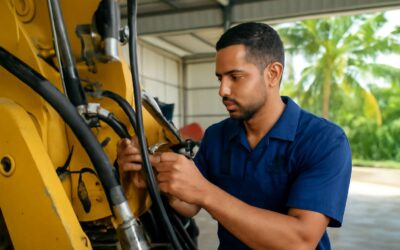
At their core, compact, rugged adapters slide onto hose ends and seal with dependable clamps. They translate hydraulic pressure into a secure, fatigue-resistant connection, absorbing movement and guarding against leaks. Quick to install, they extend the life of critical power systems and keep fleets moving.
Key components and materials of hydraulic hose fixers
Across South Africa’s mining and manufacturing floors, up to 15% of hydraulic downtime stems from worn hoses. Hydraulic hose fixers stand as quiet sentinels, keeping pressure stable amid heat, dust, and vibration. A foreman once quipped, every leak steals another hour!
Overview of key components—these compact adapters rely on rugged parts that endure harsh conditions.
- Hose-end adapters that align and seal
- Clamps and fasteners for fatigue resistance
- O-rings and elastomer seals
- Reinforcement sleeves and ferrules
Materials matter as much as fit. Hydraulic hose fixers blend metals and polymers: stainless steels and brass for durability; reinforced polymers and PTFE for fluid compatibility; nitrile or Viton seals resist swelling and wear.
That blend of design and material keeps systems humming, even as South Africa’s workdays stretch under demanding conditions.
Common applications and industries using hydraulic hose fixers
Across South Africa’s heavy industry floors, hydraulic hose fixers guard the heartbeat of fluid power. From dusty mines to roaring workshops, they keep pressure steady as heat, dust, and vibration test every joint. A single leak can steal precious time, and uptime is survival on the factory floor.
- Mining operations and ore processing
- Industrial manufacturing lines
- Agriculture equipment and irrigation systems
- Construction and heavy equipment fleets
- Energy generation and plant maintenance
In every case, these fixers bridge rugged hardware with durable seals, thriving where heat and dust press inward on fluid power.
Choosing the Right Hydraulic Hose Fixers
Types of hydraulic hose fixers (compression, crimping, quick-connect styles)
On a bustling SA site, a single misfit can stall a hydraulic system for hours and cost a fortune. Industry insight suggests up to 20% of hydraulic failures trace back to hose fittings, underscoring the premium on choosing the right hydraulic hose fixers.
Compression, crimping, and quick-connect styles each wear a different hat in the field. Compression fittings offer a neat, tool-friendly solution for permanent lines; crimping delivers a secure, high-pressure seal with a dedicated die-set; quick-connect styles win when speed matters and lines change often.
- Compression: simple, compact collars and ferrules that stay tidy under vibration.
- Crimping: factory-grade seals forged with a controlled die-set for rugged, recurring use.
- Quick-connect: rapid changes and minimal downtime in dynamic environments.
The choice hinges on operating conditions, maintenance schedules, and uptime across South Africa’s mining, agriculture, and construction sectors, with hydraulic hose fixers forming the backbone of everyday reliability.
Factors to consider: compatibility, pressure ratings, warranty
In South Africa’s rugged sites, up to 20% of hydraulic failures trace to hose fittings—a statistic that stings and pays for itself in downtime. When selecting hydraulic hose fixers, consider three anchors: compatibility with your hoses, accurate pressure ratings, and a solid warranty.
- Compatibility
- Pressure ratings
- Warranty
Compatibility isn’t just size; it’s material chemistry, thread form, and exposure to dust, vibration, and oil.
Pressure ratings guard against blast and leak scenarios in mining and construction fleets, while a robust warranty signals durability in the field and access to service support when needed.
Cost vs. long-term value: refurbishing vs. buying new
In South Africa’s rugged job sites, downtime costs operators millions annually, and a single hydraulic hose fix can derail an entire shift. When choosing hydraulic hose fixers, cost versus long-term value is not vanity—it’s survival for fleets that can’t afford to stall.
Refurbishing slashes upfront spend, but watch for hidden wear that only reveals itself under load. Buying new pushes the initial bill higher, yet it brings a fresh warranty, consistent performance, and easier service across remote sites.
- Lower upfront cost
- Hidden wear risk
- Warranty and service clarity
To align with the demands of mining and construction environments, weigh the consequences of downtime against capital outlay—the balance point will vary by operation and distance from a service center, yet the decision should always favour dependable equipment with proven field performance.
Brand comparisons and reviews
Rigs hum and deadlines loom, and brand choice for hydraulic hose fixers is a matter of endurance, not vanity. On the line, consumer reviews become a compass: can the hydraulic hose fixers endure heat, vibration, and dust without surrendering performance? The right fixers fuse field-tested grit with clear warranty and reachable service, turning brittle moments into steady, reliable runs. Across distant sites, reputation travels with the tool and the operator’s trust.
To compare brands, consider these touchstones:
- Service footprint that reaches remote South African sites
- Clear warranty terms and readily available parts
- Field-proven performance under high pressure, dust and heat
These factors shape reliable performance when downtime is dear and miles separate service centers; the field reveals the true measure.
Safety certifications and compliance
One hour of downtime can cost thousands on a mining site, a farm, or a road-works project here in South Africa. That sobering reality makes safety certifications and compliance non-negotiable when choosing hydraulic hose fixers. You want equipment and partners that carry documented safety practices and a pedigree of reliable performance, even in dust-laden, sun-baked conditions.
You want equipment and partners that carry documented safety practices and a pedigree of reliable performance, even in dust-laden, sun-baked conditions.
Look for these certification touchpoints:
- OHS Act compliance and operator safety training programs
- ISO 9001 quality management with traceability for hoses and fittings
- SABS certification or equivalent safety marks and clear, written warranty terms
In the field, this translates to real peace of mind: a dependable supply chain, locally available parts, and service that respects the long road between towns. With hydraulic hose fixers that check these boxes, you know the line will hum rather than stutter.
Maintenance, Repair, and Safety for Hydraulic Hose Fixers
Routine maintenance best practices
In South Africa’s bustling industrial landscape, a single compromised hose can ripple into days of downtime and lost throughput. Routine maintenance for hydraulic systems is the quiet sentinel—spotting wear, ensuring alignment, and preserving sealing integrity before a failure sneaks in. For hydraulic hose fixers, reliability is the currency of trust, and the best defense is proactive care rather than reactive repair.
- Regular visual inspections for cracks, bulges, and corrosive signs on hoses and fittings
- Cleanliness and contamination control to protect seals and lubricants
- Checks on alignment, supports, and protection from vibration to minimize stress
Safety and repair: When signs of distress appear, safety protocols must govern the next steps; isolation, proper PPE, and compliance with local standards are non-negotiable; repairs should be entrusted to qualified technicians who understand the system’s pressure ratings and material compatibility.
Common issues and troubleshooting tips
In South Africa’s industrial heartbeat, a single compromised hydraulic hose can derail a shift and bleed margins dry. Hydraulic hose fixers treat maintenance as a quiet art—spotting wear, preserving sealing integrity, and catching misalignment before a failure reveals itself. One hour of downtime can erase a shift’s worth of productivity.
Common issues manifest as cracks, bulges, leaks, and misalignment—easy to miss until a pressure spike or hose whines under load. Troubleshooting for hydraulic hose fixers hinges on careful observation, contamination checks, and recognizing wear patterns that foreshadow failure.
- Cracks, bulges, blistering on the cover
- Leaks at fittings or along the hose
- Abnormal vibration or overheating in the line
Safety and repair principles govern response: isolate the circuit, maintain proper PPE, and engage qualified technicians who understand pressure ratings and material compatibility. In the SA environment, adherence to standards keeps the system safe and production flowing.
Safety protocols and PPE for handling hydraulic hose fixers
In SA workshops, one compromised hose can derail a shift and bleed margins dry. The hydraulic hose fixers treat maintenance as a quiet art—spotting wear, preserving sealing integrity, and catching misalignment before a failure reveals itself.
Maintenance runs on careful observation: scan for cracks, bulges, or cover blistering; keep the line clean and dry; ensure fittings are torque-specified and hoses are routed to avoid chafing.
Safety hinges on PPE and proper isolation.
- Chemical-resistant gloves and eye protection
- Face shield for splash protection
- Safety boots with steel toes
- Appropriate PPE and hazard awareness for hydraulic work
In the SA environment, adherence to standards keeps the system safe and production flowing.
Storage and handling guidelines
Maintenance is the quiet art that keeps hydraulic hose fixers ready for the next shift. In South Africa’s workshops, storage spaces cradle hoses in cool, dry quiet—away from sun and oil—so wear stays distant and sealing integrity remains unbreached. Vigilance here is the drumbeat that preserves flow.
Repair dwells at the edge where wear whispers of trouble. When signs appear, choices favor preserving sealing integrity and preventing misalignment, extending life without inviting catastrophe. A careful eye, a measured touch, and respect for the line’s history guide every repair decision.
Safety anchors every action, and isolation with PPE is part of the daily ritual. In SA environments, chemical-resistant gloves, eye protection, a face shield, safety boots with steel toes, and hazard awareness keep teams steady as the press hums.
When to replace vs repair components
A SA workshop stat haunts the clock: 47% of unplanned downtime starts with degraded hose integrity. Maintenance keeps hydraulic hose fixers sharp for the shift, stored in cool, dry spaces away from sun and oil.
Repair should be conservative: minor wear can be repaired, but deep cracks or compromised fittings demand replacement to prevent catastrophe. Targeted fixes often beat wholesale overhauls.
Safety anchors every action, and isolation with PPE is daily ritual. In SA environments, chemical-resistant gloves, eye protection, a face shield, steel-toe boots, and hazard awareness keep teams steady as the press hums.
Industrial Approaches and Case Studies with Hydraulic Hose Fixers
Case study: hydraulic hose fixers in heavy equipment maintenance
Across South Africa’s rugged industrial sectors, uptime is currency. Roughly 30% of unplanned downtime in heavy equipment traces to hydraulic hose failures, a cost that echoes through maintenance budgets. I’ve watched hydraulic hose fixers turn outages into quick fixes and lessons learned!
Industrial approaches prioritize mobility, safety, and standardization. On-site field service, modular repair kits, and pressure-tested procedures keep crews ahead of fatigue. For teams on the move, a compact inventory and clear torque guidelines translate into measurable gains.
- On-site field service
- Modular repair kits
- Standardized testing and torque protocols
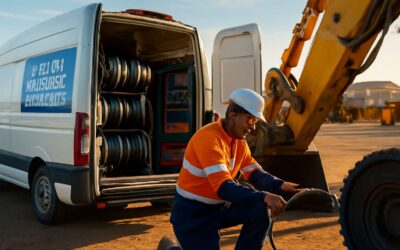
Case study reaffirms resilience in heavy equipment maintenance. In a Gauteng mining fleet, a mobile unit replaced a cracked hose in under two hours, preventing a stalled shovel and protecting a valued uptime metric. The lesson: ongoing training and precise selection of fixers matter.
Hybrid tooling solutions and workflow optimization
In South Africa’s field-heavy industries, success is less about bravado and more about mobility paired with method. Industrial approaches now favor mobility-first field crews, modular repair kits that snap on in seconds, and data-driven workflows that keep torque, wear, and pressure visible at a glance. At the heart of it are hydraulic hose fixers, delivering speed without compromising safety or reliability.
Hybrid tooling solutions fuse portable diagnostics, compact repair tools, and lightweight hydraulic presses into a seamless workflow. Case studies across Gauteng and coastal sites reveal mobile units replacing hoses on-site, turning potential outages into quick recoveries and preserving uptime metrics for essential fleets. The takeaway: precise part selection and adaptive tooling magnify the value of hydraulic hose fixers in demanding environments.
Case study: cost savings from regular maintenance and proper fixers
In South Africa’s field-heavy industries, uptime hinges on nimble tooling and disciplined maintenance. Mobility-first field crews and modular repair kits keep lines live while dashboards reveal torque, wear, and pressure at a glance — hydraulic hose fixers sit at the heart of this rhythm, delivering on-site repairs that prevent cascading outages.
Case study: cost savings from regular maintenance and proper fixers. A Gauteng fleet reduced disruptive outages through scheduled checks and consistent use of proper fixers, slashing emergency repairs and preserving fleet availability. The pattern holds on coastal sites too, where predictable maintenance translate into steadier budgets and longer equipment life.
ul>
Factory floor implementation: procurement and inventory management
Across South Africa’s field-heavy industries, uptime is king. A 25% faster response to hose issues translates into measurable gains on the factory floor. Hydraulic hose fixers sit at the heart of this rhythm, delivering on-site repairs that keep lines live and production moving.
On the shop floor, procurement and inventory management align with demand through discipline and data. Consider these steps to stabilise stock and speed repairs:
- Centralised procurement for consistency and volume pricing
- Real-time dashboards and kanban-style replenishment to prevent outages
- Modular repair kits with clearly labelled components for quick swaps
Case studies from Gauteng show how scheduled checks and ready access to hydraulic hose fixers reduce disruptive outages and extend asset life. Coastal sites report steadier budgets as predictable maintenance becomes routine, with stock planning improved and repairs completed in record time.
Lessons learned and best practices from real-world use
Industry uptime hinges on on-site resilience. These hydraulic hose fixers have evolved from improvised tools to purpose-built partners in the field, delivering rapid repairs that keep lines live and production moving.
Lessons learned from real-world use include:
- Standardised toolkits that fit common hose sizes
- On-site training for operators to perform basic swaps
- Quick-reference labeling to speed component swaps
- Real-time data to guide restocking and maintenance
Case studies from Gauteng and coastal sites show that disciplined scheduling, ready access to fixers, and tight maintenance routines reduce outages and extend asset life, while budgets become more predictable. The net effect: repair times shrink, component life stretches, and teams reclaim uptime.


0 Comments