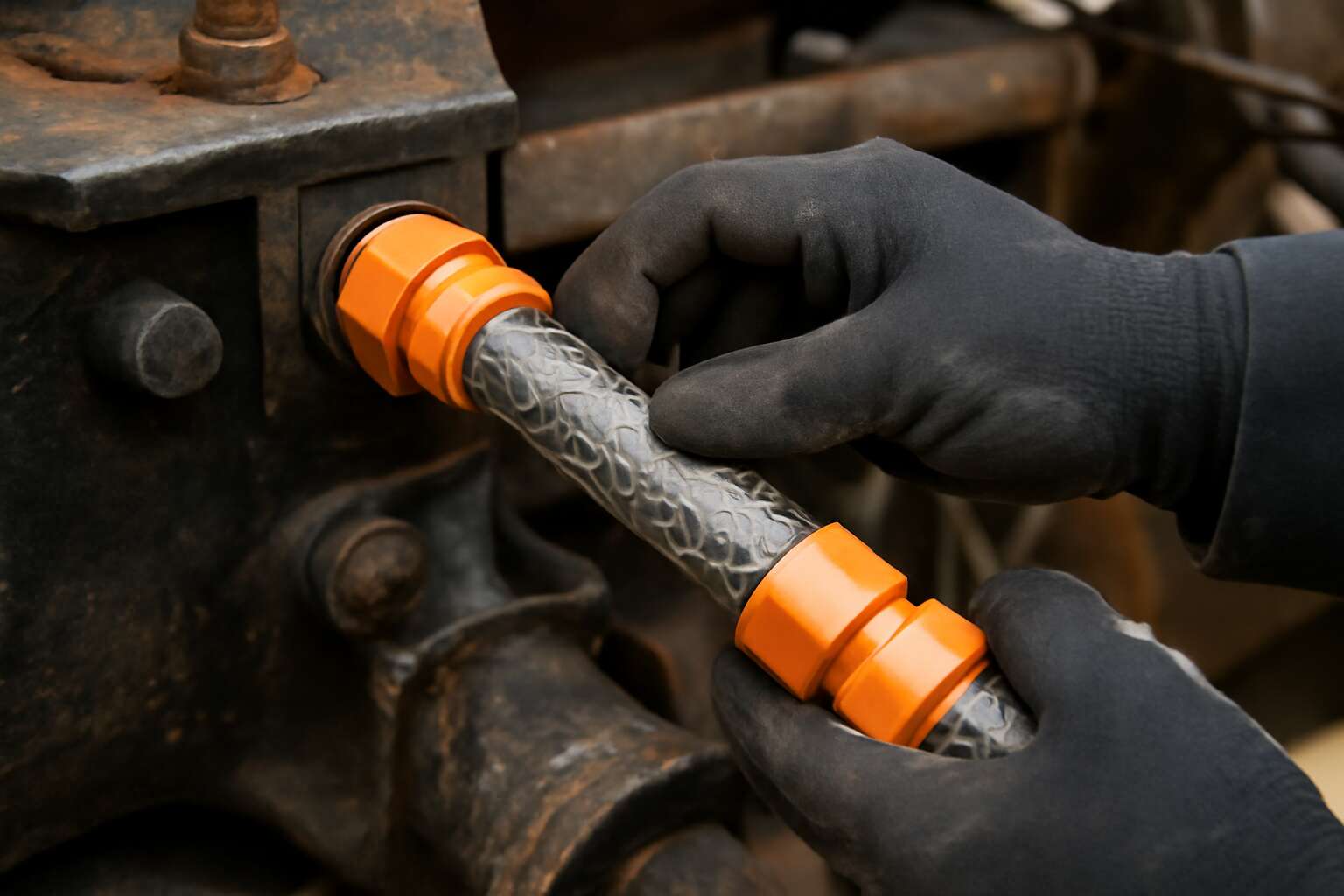
Hydraulic hose system maintenance and replacement strategies
Section A
Across South Africa’s industrial heartlands, hose failures account for up to 30% of unplanned downtime, making hydraulic hose replacement a cornerstone of reliability. When a high-pressure line bursts, the ripple echoes through production, schedules, and morale, turning maintenance into a matter of urgency rather than routine!
Maintenance in this arena is about quiet vigilance: watching for wear, heat, and misalignment, and letting anticipation guide resilience. Such an approach softens shocks and preserves momentum when pressure rises. Considerations include:
- Material compatibility with fluids and environment
- Routing and protection from abrasion
Section B
A healthy hydraulic system runs quietly. Routine checks cut leak-related downtime by up to 40%. Maintenance hinges on steady vigilance and a clear replacement plan: hydraulic hose replacement should occur before the first sign of wear, with attention to fluid quality and temperature.
Maintenance in this space rewards a simple, repeatable routine. The following practices support reliable operation:
- Regular inspections of hose jackets and clamps
- Fluid quality and compatibility checks
- Safe routing and protective sleeves to minimize abrasion
This planned safeguard keeps lines up and running. Short-term savings fade when a burst hits the line; the work is easier when parts are ready and accessible.
Section C
In South Africa’s bustling factories, a quiet line is a productive line, and hydraulic hose replacement is the quiet engine behind it. A seasoned plant manager once said, “Silence on the line isn’t emptiness—it’s money saved.”
Section C frames maintenance as a living strategy rather than a static checklist. It champions lifecycle thinking: harmonizing hose health with fluid quality, temperature, and safe routing to minimize wear and unseen strain on the system.
- Lifecycle planning and replacement intervals that respect production demands
- Material compatibility and temperature profiling to prevent hardening or swelling
- Spare parts readiness and thoughtful layout to shorten downtime
When these threads are woven into daily practice, hydraulic hose replacement becomes a poised, reliable rhythm—an artisan’s touch on a robust, industrial loom.
Section D
In South African factories, quiet lines correlate with up to 15% higher uptime. Maintenance is momentum, not an afterthought. hydraulic hose replacement, by itself, isn’t spectacle; it’s the quiet calculus that keeps lines singing. When planned as a lifecycle choice rather than a fire drill, it becomes the hinge that holds uptime in place.
Maintenance as living strategy means watching for wear in real time: hose flex, mud in the fluid, and routing fatigue. Small signals become reliable sounds of a healthier system.
- A schedule woven into production calendars that anticipates wear without panic
- A spare parts library and fluid compatibility catalog to reduce downtime
- End-to-end change history for traceability and accountability
In this practiced stillness, the plant becomes a loom of order, where risk is contained and performance is an artful outcome.
Section E
Across South Africa’s bustling factories, uptime is won in the quiet hours of care. A recent survey hints that proactive maintenance can shave unplanned outages by up to 18%. Section E frames hydraulic hose replacement as a living strategy, not a stand-alone fix, turning routine checks into a shield that keeps lines singing through shifts and seasons.
Real-time wear signals set the tempo: hose flex, fluid shear, and routing fatigue whisper before they become alarms. Consider these pillars that support a resilient system:
- Real-time wear cues and routing fatigue checks
- A curated parts reserve and a fluid compatibility guide
- A traceable change log for accountability and learning
Under this practiced stillness, maintenance becomes a craft—almost a spellbook—that confirms hydraulic hose replacement as a quiet covenant with uptime. It is not a loud gesture but a patient alignment of parts, people, and process, turning routine care into a durable, cost-conscious art.



0 Comments