Understanding hydraulic hose connections
What is a hydraulic hose connection?
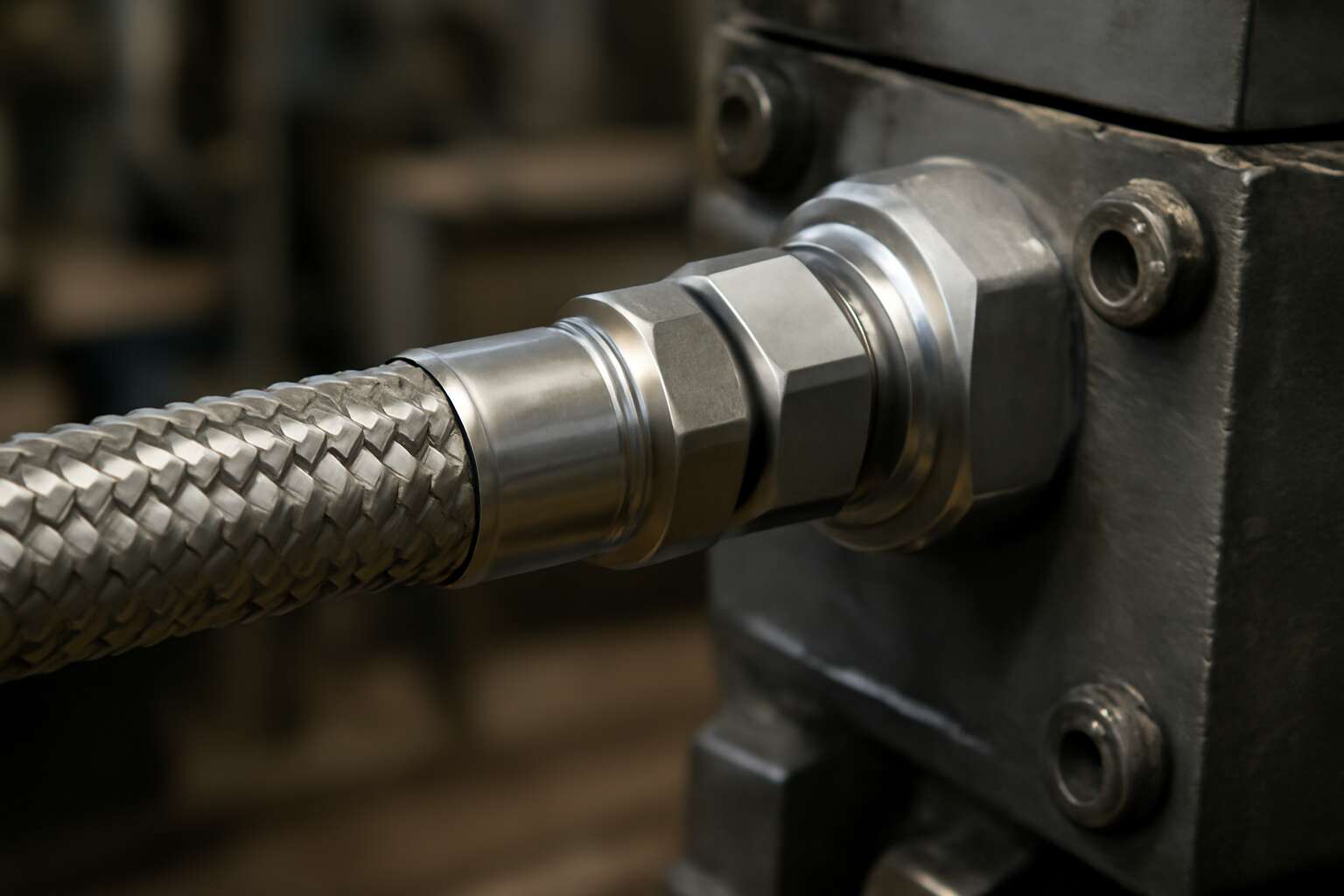
Every connection tells a story—one proper hydraulic hose joint can spare a workshop weeks of downtime. Understanding hydraulic hose connections means reading the breath of pressure and flow. The hydraulic hose joint is the quiet hinge where flexible hose meets rigid fittings, channeling power to tools and machines. In South Africa’s busy industries, these joints endure heat, dust, and vibration; a small fault can ripple through a production line.
There are several configurations to consider, each with its own character and purpose.
- Pressure and temperature compatibility
- Seal material and corrosion resistance
- Proper crimping and assembly method
Understanding these basics keeps systems singing—efficient, safe, and ready for the long haul.
Key components of hose connections
Power hums through SA workshops; a single hydraulic hose joint can keep a line of presses singing through a shift. Understanding the components that make this joint behave—fittings, ferrules, and seals—reveals how heat, dust, and vibration are tamed. The right combination ensures leak-free performance and safe maintenance.
- Fittings and adapters that match the system
- Ferrules and crimping methods that bite firmly
- Seals and elastomers chosen for temperature and fluid compatibility
In practice, the hydraulic hose joint thrives when clean assembly and routine inspection become everyday habits.
Common applications and use cases
In South Africa’s bustling workshops, a single hydraulic hose joint keeps lines singing through long shifts and rough conditions. It serves as the heartbeat linking pumps, actuators, and pipes, turning pressure into motion while weathering heat, dust, and vibration. The right joint design ensures reliable seal life and safe maintenance.
Common applications span rugged mining equipment, farming implements, and industrial lines where hydraulic power drives everything from lifting booms to forming presses.
- Mining and quarry equipment
- Agricultural machinery and irrigation systems
- Industrial presses and manufacturing lines
Think of the hydraulic hose joint as a quiet conductor in a high-stakes orchestra; when correctly matched, it keeps the system steady and responsive without attracting downtime.
Types and configurations of hose connections
Crimp vs reusable fittings
In South Africa’s demanding workshops, a single misfit can derail a shift. The hydraulic hose joint is where pressure becomes motion, and the reality is blunt: downtime often traces back to hose connections. I’ve seen how the right configuration steadies the line and keeps teams moving with quiet efficiency.
Two configurations dominate: crimp fittings, where a fixed ferrule locks the hose to a coupler, delivering a compact, high-pressure seal; and reusable fittings, designed for field attachment and easier inspection.
- Crimp fittings: permanent seal, compact profile, ideal for high-pressure lines
- Reusable fittings: field-attachable, easier replacement, requires regular torque
Either path reflects a philosophy of compatibility and discipline: hose construction, sizing, and standards shape reliability more than any single joint. The choice reverberates through maintenance cycles, downtime, and the rhythm of production.
Male vs female connectors
In South Africa’s bustling workshops, a single misfit can derail a shift; downtime lurks like a hungry hawk at the edge of the belt. The hydraulic hose joint is the hinge where pressure becomes motion, and every rotation of a shut-off valve whispers of reliability—and of risk.
Male connectors stride out with a protruding thread, quick to seal, while female connectors cradle the counterpart, offering expansive compatibility and patient inspection. In the field, experience shows that the choice defines flow, tolerance, and how often a maintenance crew can smile under the hood.
- Male connectors: protruding threads, quick field assembly, robust seals.
- Female connectors: receptacles for pairs, flexible sealing options, easier inspection.
A thoughtful pairing respects hose construction and standards, letting pressure drift into motion rather than misalignment. The flow’s patience is earned through compatibility and discipline.
Banjo and flare style configurations
In South Africa’s grit-and-glam workshops, the hydraulic hose joint is where precision meets momentum. Banjo and flare style configurations compete for space and reliability, each with a voice in the flow. The right choice tunes vibration, alignment, and service life, turning potential misfits into a smooth rhythm.
Banjo fittings offer a compact footprint and straightforward assembly; their bolt-through design invites quick alignment in cramped bays. Flare configurations deliver a robust, metal-to-metal seal with a confident 45-degree seating, favored for higher pressures and steady performance.
- Banjo: compact, adaptable, easy to stage in tight spaces.
- Flare: durable seal, predictable seating, steady under vibration.
Whichever path you chart, ensure compatibility with hose construction and port standards to keep the hydraulic hose joint singing under load.
Material options for fittings: stainless steel, brass, and composites
In South Africa’s grit-and-glam workshops, the hydraulic hose joint is where strength meets momentum. A single connection can weather vibration, heat, and tight spaces, turning potential bottlenecks into a smooth, steady flow.
Types and configurations span threaded and swivel fittings, push-to-connect, and quick-disconnect styles. Threaded options seal solidly; swivels help keep lines aligned during movement; push-to-connect choices speed assembly in cramped bays. We often pick based on vibration, maintenance cycles, and accessibility.
Material options for fittings include:
- Stainless steel—top-tier corrosion resistance and strength for harsh environments.
- Brass—cost-effective, easy to machine, ideal for moderate pressures.
- Composites—lightweight, excellent chemical resistance, suited for vibration-heavy runs.
Choosing the right material hinges on fluid compatibility, temperature, and the work’s environment.
Materials, compatibility, and standards
Fluid compatibility and temperature considerations
In South Africa’s busy workshops, a single failed hydraulic hose joint can halt production for hours and drain budgets. Materials, compatibility, and standards shape reliability. A robust joint starts with the right material mix—metals to advanced composites—chosen for corrosion resistance and fatigue under pressure.
Compatibility with the circulating fluid and the system temperature governs how seals, O-rings, and fittings perform. Ensuring fluid compatibility prevents swelling, shrinkage, and leaks across service life in harsh SA environments!
- Mineral oil-based hydraulic fluids
- Synthetic esters
- Phosphate ester fluids
Standards bodies such as ISO, SAE, and DIN set performance tests for fit, sealing, and leak resistance, while temperature extremes drive elastomer and seal material choices to maintain reliability in field conditions.
Standards and certifications for hose joints
In South Africa, a single failed hydraulic hose joint can halt a line for hours and drain budgets. A robust joint starts with the right material mix—metals to advanced composites—chosen for corrosion resistance and fatigue under pressure. In South Africa’s workshops, this blend becomes a quiet ally, turning potential failures into steady, predictable performance.
Compatibility with the circulating fluid and the system’s temperature governs how seals, O-rings, and fittings perform. When materials meet field realities, swelling, shrinkage, and leaks recede from the daily horizon.
- ISO
- SAE
- DIN
Standards and certifications provide a shared language for safety and performance in the hydraulic hose joint arena, ensuring tests for fit, sealing, and leak resistance translate to reliable field service, even under the demanding SA climate.
Seal types and O-rings
In SA workshops, a single failed hydraulic hose joint can stall a line for hours and drain budgets. Materials and compatibility shape its lifeblood under pressure. Corrosion-resistant metals or advanced composites stand up to heat, dust, and vibration; seals must match the circulating fluid to prevent swelling or shrinkage, keeping joints tight under load. A measured material mix anticipates field realities before the first bolt is turned.
Standards and certifications—ISO, SAE, DIN—offer a common safety language that translates lab tests into steady field performance. Seal types and O-rings are chosen to resist leaks, with options including:
- Nitrile (Buna-N) for petroleum-based fluids
- Viton (FKM) for high temperatures and aggressive chemicals
- EPDM for water-based systems
- PTFE for broad chemical compatibility
When the wrong material meets real-world SA climates, leaks and downtime follow; with proper alignment, a hydraulic hose joint becomes a quiet backbone of reliability.
Pressure ratings and safety margins
South Africa’s workshops are unforgiving: the hiss from a misrated hydraulic hose joint can stall a line faster than a coffee break gone wrong. Pressure ratings aren’t vanity metrics; they’re the spine of reliability. As one veteran fitter likes to say, pressure punishes the unprepared.
Operating pressure defines the working envelope; safety margins guard against heat, dust, and vibration. In practice, engineers target a burst-to-working pressure ratio of at least 4:1, with higher margins in harsh field conditions.
- Low-pressure range: up to 1000 psi (70 bar)
- Mid-range: 1000–3000 psi (70–210 bar)
- High-range: above 3000 psi (>210 bar)
Standards provide a common safety language that translates lab tests into field performance. A properly specified hydraulic hose joint harmonizes materials, compatibility, and margins, letting SA equipment run smoothly when the pressure climbs. The hydraulic hose joint stays tight under load.
Installation, maintenance, and best practices
Torque, tightening, and installation techniques
Across the rural workshop in South Africa, I know a single tightened bolt can keep a farm running. In hydraulic work, patience builds trust—every fitting deserves care, not a rush. A solid start means fewer leaks and more hours in the field.
Installation and maintenance hinge on proper torque and alignment. Start clean, lubricate only as specified, and never force a connection. Follow manufacturer specs, then recheck after the system cycles.
- Threads and ferrules integrity
- Lubricant compatibility and torque accuracy
- Hose routing to minimize bends
- Leak monitoring after initial pressurization
A well-made hydraulic hose joint adapts to vibration and heat, protecting your tools and your team. Regular inspection and mindful tightening keep the heart of the machine resilient.
Leak detection and troubleshooting methods
In rural SA workshops, downtime is costly. A tiny drip can erase a day’s work and push a harvest back weeks. Proper installation, maintenance, and vigilance turn fragile joints into dependable workhorses!
Installation and maintenance hinge on clean interfaces and patient alignment. Treat every hydraulic hose joint with care—follow lubrication specs, avoid forcing connections, and verify alignment after the first system cycle.
Leak detection and troubleshooting: After pressurizing, look for drips, use soap solution on joints, monitor pressure for unexpected drops, and listen for changes. Regular checks guard equipment and keep teams safe.
- Apply soap to joints and watch for bubbles
- Record any pressure drops during cycles
- Inspect for wear or damage on fittings
Replacement intervals and part life
In SA’s rural workshops, a single hydraulic hose joint can derail a whole shift. The hydraulic hose joint wears differently under field conditions—temperature swings, dust, and vibration all take their toll. Replacement intervals and part life hinge on duty, environment, and component quality. A thoughtful approach to installation and uptime keeps critical lines working and stops small issues turning into costly downtime.
- Replacement intervals depend on duty cycle, pressure spikes, vibration, and environment
- Part life reflects material quality, connection type, and maintenance history
- Wear patterns and leaks hint when a joint should be reassessed
Maintaining a steady baseline—clean interfaces, compatible parts, and mindful torque—protects the plant and its crew.
Preventive maintenance checklist
South Africa’s rural workshops grind on, and a single hydraulic hose joint failure can derail a whole shift in minutes. Uptime isn’t luck—it’s a discipline. A field poll found 60% of unplanned downtime traceable to worn joints and loose maintenance.
Installation and care are the first lines of defense: keep interfaces clean, match parts, avoid cross-threading, and apply torque with steady respect for the fit.
Preventive maintenance checklist:
- Visual wear, cracks, and leaks on fittings and hoses
- Clean, dry interfaces before any reassembly
- Secure clamps and ferrules without over-torquing
- Check routing to avoid sharp bends and heat sources
- Record inspection notes and track any changes over time
With steady checks, the plant and its crew stay safe and productive.
Troubleshooting, failure modes, and diagnostic guides
Common failure modes and causes
Across South Africa’s workshops, a single drip can halt a shift in minutes. The hydraulic hose joint sits at that risk’s hinge—quiet and essential—until wear reveals itself as a stubborn leak that gnaws at pressure and uptime.
Common failure modes for the hydraulic hose joint include loosening, abrasion, and thermal fatigue. Diagnostic cues cover fresh seepage, looseness at fittings, odd vibrations, and heat staining. Observing these signs keeps equipment healthy and uptime high. Here’s a quick checklist:
- Visible leaks or an oil sheen around the joint
- Excessive play or looseness at fittings
- Discoloration, heat lines, or melted insulation
- Unusual vibration or noise during operation
- Corrosion or wear on metal surfaces
Take a careful, record-driven approach: note pressure and temperature trends, and document symptoms rather than guessing. A thoughtful diagnosis steers the right hydraulic hose joint choice and keeps SA sites running smoothly.
Diagnosing leaks and bursts
A tiny drip can derail a shift, a truth echoed in South Africa’s busy workshops. I’ve seen the hydraulic hose joint hide in plain sight—silent, steadfast—until wear whispers as a stubborn leak that gnaws at pressure and uptime.
- Visible seepage or an oil sheen around the joint
- Excessive play or looseness at fittings
- Discoloration, heat lines, or melted insulation
- Unusual vibration or noise during operation
Diagnosing leaks and bursts begins with a careful, record-driven routine—log pressure and temperature trends, note symptoms, and avoid guessing. A thoughtful diary guides the right hydraulic hose joint choice and keeps SA sites humming with uptime.
Repair vs replacement decision criteria
Troubleshooting a stubborn hydraulic hose joint in South Africa’s workshops demands a calm, methodical eye. Beyond the obvious drips, failure wears a subtler mask: creeping resistance, a tremor in cylinder motion, or a sudden pressure sag with no external seepage. In the shadows, micro-cracks along the reinforcement and a stubborn end fitting signal a fatigue cycle approaching its finale.
Guided diagnostic guides help separate repair from replacement. In practice, consider these signals:
- System downtime risk
- Remaining hose life
- Part availability and lead times
Ultimately, the decision rests on safety margins, downtime cost, and long-term reliability. A South Africa–savvy outlook weighs whether the hydraulic hose joint should stay in service or be replaced to preserve uptime and avert grim outages.
Case studies and real-world examples
Stubborn hydraulic hose joint issues can freeze a SA workshop’s tempo. Downtime costs ripple from mines to mills; even a small drip signals hours of lost productivity. Troubleshooting demands calm precision: creeping resistance, a tremor in motion, or a pressure sag with no seepage.
Guided diagnostic guides separate repair from replacement. In practice, watch for these signals:
- Creeping resistance in the circuit.
- Micro-cracks along reinforcement or end fittings.
- Sudden pressure sag with no external leaks.
Case studies from SA sites illuminate the path.
- Joburg mine: eight hours downtime; hydraulic hose joint fatigue; replacement restores uptime.
- Durban factory: cylinder drift traced to cracked reinforcement; diagnostic guides avert cascading failure.
- Cape Town shipyard: pressure loss solved by replacing a hose joint segment; hydraulics stay online.
These insights reinforce a SA-savvy stance on safety margins, downtime costs, and long-term reliability.



0 Comments