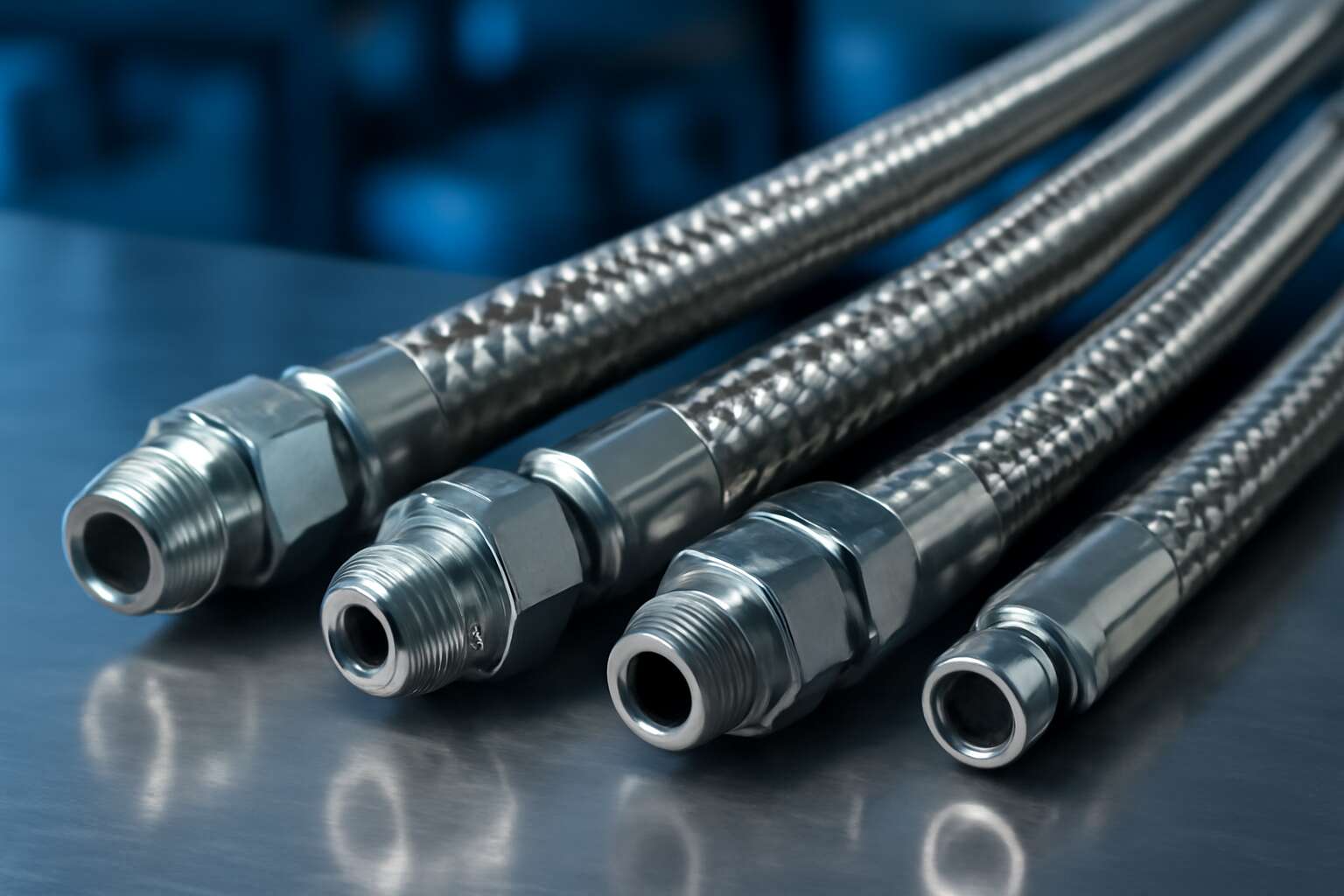
Hydraulic hose connections and end fittings: types and selection
Section: End fitting families and overview
Across South Africa’s mines, farms, and factories, a single wrong end fitting can halt a line for hours! Field data shows up to 30% of hydraulic line failures trace to mismatched end fittings—leaks and downtime follow.
Understanding hydraulic hose end fitting types comes down to how the connection seals, the thread standard, and the mounting style. End fitting families and overview shape the selection path for reliability in tough environments.
- Crimp fittings
- Threaded fittings (NPT, BSP)
- Push-to-connect and quick-connect
- Flange and clamp-on assemblies
Careful matching of hose size, pressure rating, and fluid compatibility guides the choice of hydraulic hose end fitting types. In real-world South African applications, durability and serviceability trump flash.
Section: Connection methods and integrity
A single misfit connection can halt a line for hours on a busy South African site. Field data from mines, farms, and factories shows up to 30% of hydraulic line problems trace to mismatched end fittings, turning routine maintenance into a high-stakes game of probability.
Connection methods and integrity hinge on how the joint seals, the thread standard, and the mounting style come together. Hydraulic hose end fitting types shape this equation—designed to resist leaks, endure dust and vibration, and stay serviceable in hot heat and mud.
In practice, consider these factors when evaluating options:
- hose size compatibility and compression grip
- pressure rating versus operating conditions
- fluid compatibility to prevent corrosion
Durability and serviceability triumph over flash in South Africa’s rugged environments; I’ve seen how a robust connection method preserves seals and reduces downtime when the going gets tough.
Section: Standards and compatibility
In the dim hum of a South African workshop, a foreman once whispered, “A single misfit turns a line into stillwater.” Standards shape the vigil: thread, seal, and mounting style must align. When choosing hydraulic hose end fitting types, you tilt the balance between reliability and downtime, because a seal out of place can ghost a system long after the noise fades.
- Thread standards and compatibility with your hydraulic circuit
- Seal materials and fluid compatibility to resist corrosion
- Certification and operating environment suitability for dust and heat
I’ve seen this quiet discipline save reputations and keep lines singing rather than sighing in SA’s harsh terrains!
Section: Materials and performance factors
In South Africa’s rugged workshops, downtime is a currency no one can spare. Roughly 12% of hydraulic failures trace back to end-fitting mismatches, a statistic that keeps foremen awake. Understanding hydraulic hose end fitting types guides you to the right balance of reliability and service life.
Materials and performance factors shape long-term uptime: stainless steel or coated carbon steel bodies withstand harsh dust and heat; seals matched to the fluid—NBR for mineral oils, FKM for fuels and high temps—and attention to thread, seal, and mounting style support solid integrity.
- Stainless steel for corrosion resistance in dusty environments
- Coated carbon steel for budget-conscious durability
- Brass or bronze for lighter duties and easy machining
Match performance to the system’s pressure, temperature, and vibration to keep lines singing rather than sighing in SA’s terrain.



0 Comments