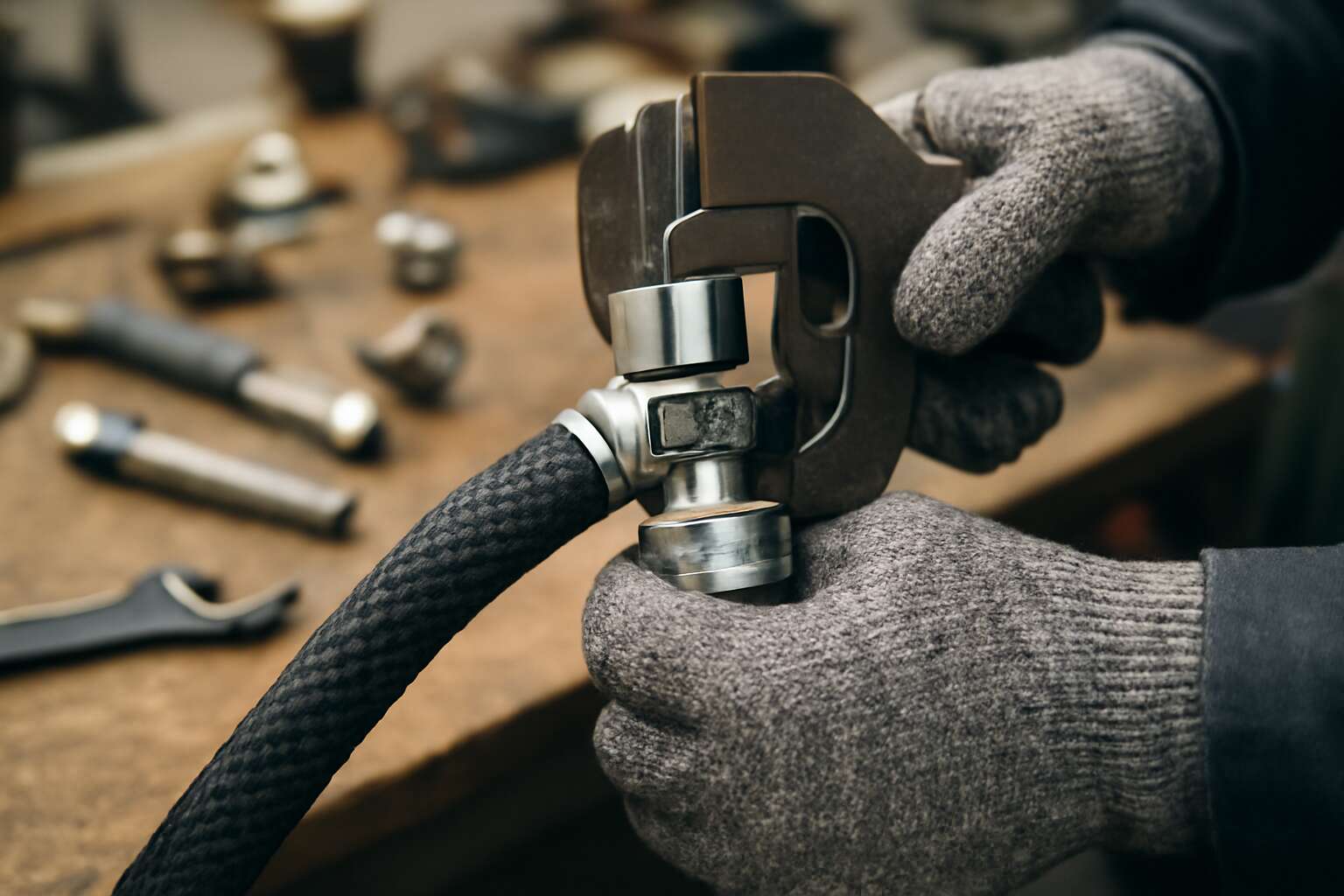
Comprehensive guide to fixing hydraulic hose
Safety and assessment
A recent SA industry note shows hose wear and micro-cracks accounting for up to 30% of unplanned hydraulic downtime. Hoses don’t fail quietly; they announce risk with a hiss and spray. The comprehensive guide to fixing hydraulic hose begins with scrutiny—a patient, almost clinical gaze at the system’s life story.
Safety and assessment anchor any discussion of how to fix hydraulic hose. Before repair, a culture of caution sets the tone: PPE remains constant, leaks are contained by design, and escalation is a contingency when doubt arises. In a South African workshop, standards and accountability go with craft. This question, in essence, asks for how to listen to the system.
- PPE readiness and containment mindset
- Hazard awareness and clear communication
- Documentation and adherence to local standards
This is a narrative about judgment, not a rush to wrench anything. The assessment preserves teams and trust.
Tools and materials for repair
Hose hiss, the telltale sign of risk, can shatter a workshop day. In SA, hose wear and micro-cracks account for up to 30% of unplanned hydraulic downtime. The comprehensive guide to fixing hydraulic hose begins with procurement, not panic. For those asking how to fix hydraulic hose, the right toolkit sets the tone.
Tools and materials for repair split into essentials, compatible replacements, and protective gear.
- Replacement hose matched to pressure, bore, and temperature
- End fittings, adapters, and couplings
- Crimping tool, clamps, and securing hardware
- Cleaner, rags, and PPE for containment and safety
In a South African workshop, every part carries traceability and aligns with local standards, ensuring trust remains intact.
Step by step repair process
The workshop breathes; a hydraulic hiss promises trouble! For those seeking how to fix hydraulic hose, the path is not a sprint but a careful cadence, a ritual of measurement, match, and restraint.
- Stage one: assessment and risk containment
- Stage two: sourcing compatible components and fittings
- Stage three: structured reassembly and verification
Beyond the shadows of the bay doors, in SA workshops the chain of custody tightens around every hose length. The step-by-step repair process unfolds with calm authority—recognition, replacement, resealing, and verification—while local standards keep the narrative honest and traceable.
Maintenance and prevention
Across South Africa’s workshops, downtime wears a heavy cloak, and hydraulic hoses confess the tension with a faint hiss! In my experience, patience outlasts urgency, and wear, contamination, and misalignment corral downtime more often than brute power. For those curious how to fix hydraulic hose, the answer is a patient cadence—measurement, match, and meticulous care that respects the machine as a partner rather than a problem.
- Wear patterns and fluid cleanliness reminders
- Clear documentation of hose specs and service history
- Professional inspection and timely, quality-driven replacement
These pillars shape maintenance and prevention as a quiet art, turning potential failures into stories of resilience.
In the end, a glamorous pursuit of reliability transforms the everyday glance at a hose into a celebration of craftsmanship and care—South Africa’s engineering heart beating with steady, controlled confidence.




0 Comments