Half-Inch Hydraulic Hose SEO Outline
Half-Inch Hose Specifications and Sizing
In South Africa’s bustling workshops, the hydraulic hose 1/2 is the heartbeat that never sleeps. Industry notes hint that a misfit hose breathes trouble into the system, yet a well-chosen half-inch ally can stretch service life and slash downtime.
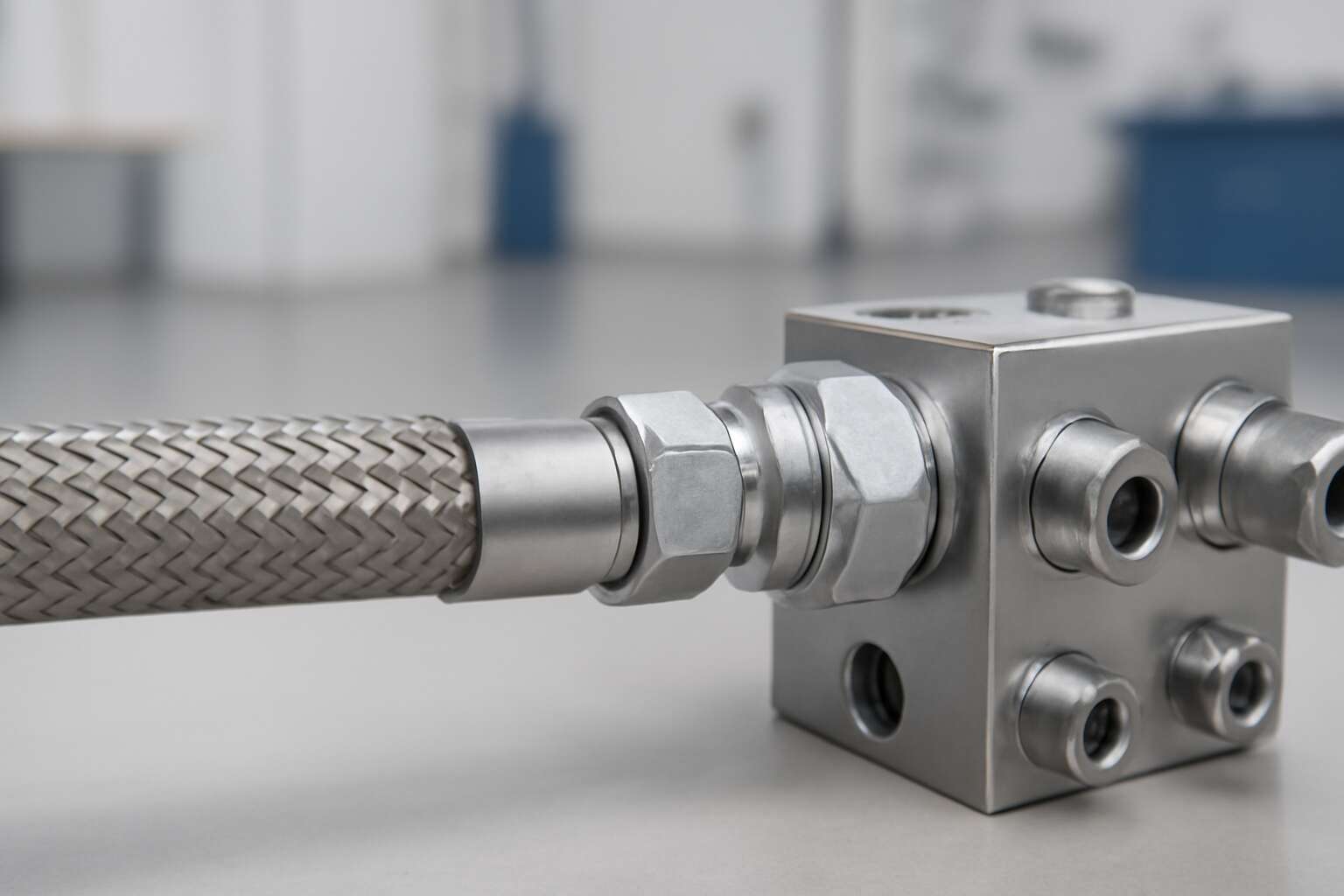
When we speak of Half-Inch Hose specifications and sizing, think of it as a dialogue between capacity and flexibility. The hydraulic hose 1/2 balances an inner diameter that sustains steady flow with braided reinforcement that resists pressure spikes. Most SA operators look for compatible fittings, materials like synthetic rubber or thermoplastic, and ratings aligned with SAE, ISO, or DIN practices.
Key sizing cues to consider include:
- Nominal inner diameter: 1/2 inch
- Typical pressure rating and safety margin
- Cover material for SA climate and exposure
In the dance of iron and rain, the hydraulic hose 1/2 carries not just fluid but the poetry of reliability.
Materials, Reinforcement, and Durability
“Reliability is the quiet engine,” whispers the workshop elder, and I know the hydraulic hose 1/2 is its loyal drumbeat. In South Africa’s bustling yards, I’ve watched materials endure sun and dust while braided threads stand firm under pressure’s sudden roar!
Materials like synthetic rubber offer pliant endurance, while thermoplastics march to chemical resistance and memory. The cover shields against UV glare and abrasion, ensuring the hose remains supple rather than brittle as seasons turn.
- Materials shaping resilience: synthetic rubber, thermoplastics
- Reinforcement options: braided textile or wire
- Durability cues: UV resistance, abrasion, and aging control
Durability feels like the weave of a story—I’ve seen the reinforcement not merely resisting, but guiding flow through every corner of a demanding SA workshop.
Applications and Industry Fit
Power hums in the South African yards: a 4.5% annual uptick in hydraulic equipment shifts dust and diesel like a prophecy. In this theatre of grit, the hydraulic hose 1/2 becomes the quiet blade that slices through stubborn pressure with eerie precision. It is the spine of the routine, the ally that never falters when the sun climbs and the engine wakes at dawn.
Applications stretch from mine faces to workshops, where hydraulic power drives lifts, clamps, and shakers. It serves heavy fleet maintenance, irrigation, construction hydraulics, and steelworks, where control must be swift—like a heartbeat in iron and heat.
- Mining and quarrying systems
- Agriculture and irrigation machinery
- Construction and mobile hydraulics
- Manufacturing and presses
In South Africa’s climate, hose assemblies face blazing sun and abrasive dust, with temperate swings testing every seal. The right line offers movement, resilience to aging, and a cover that guards UV and wear.
Installation, Maintenance, and Safety
“When pressure speaks, the hydraulic hose 1/2 answers.” In South Africa’s rugged yards, this modest line keeps big machines honest, turning sunrise exertion into steady performance. It’s the quiet spine of the system, bending, flexing, and shrugging off grit as the engine wakes at dawn.
Installation isn’t dramatic, but it requires respect: matching fittings, proper bend radii, and shielding from UV and heat. The right cover and routing prevent aging and leaks in dusty workshops and sun-scorched mines. Consider these high-level checks to keep the talk honest:
- Fittings and clamps compatible with hydraulic hose 1/2
- Avoid kinks, twists, and over-bending that fatigue the sheath
- Keep fluid clean, and ensure seals match operating pressure
Maintenance is a ritual, not a chore—regular inspections for cracks, hardening, and leaks save downtime. Safety sits at the heart of every yard, and a well-chosen hose reduces risk, even in SA’s sun and dust.




0 Comments