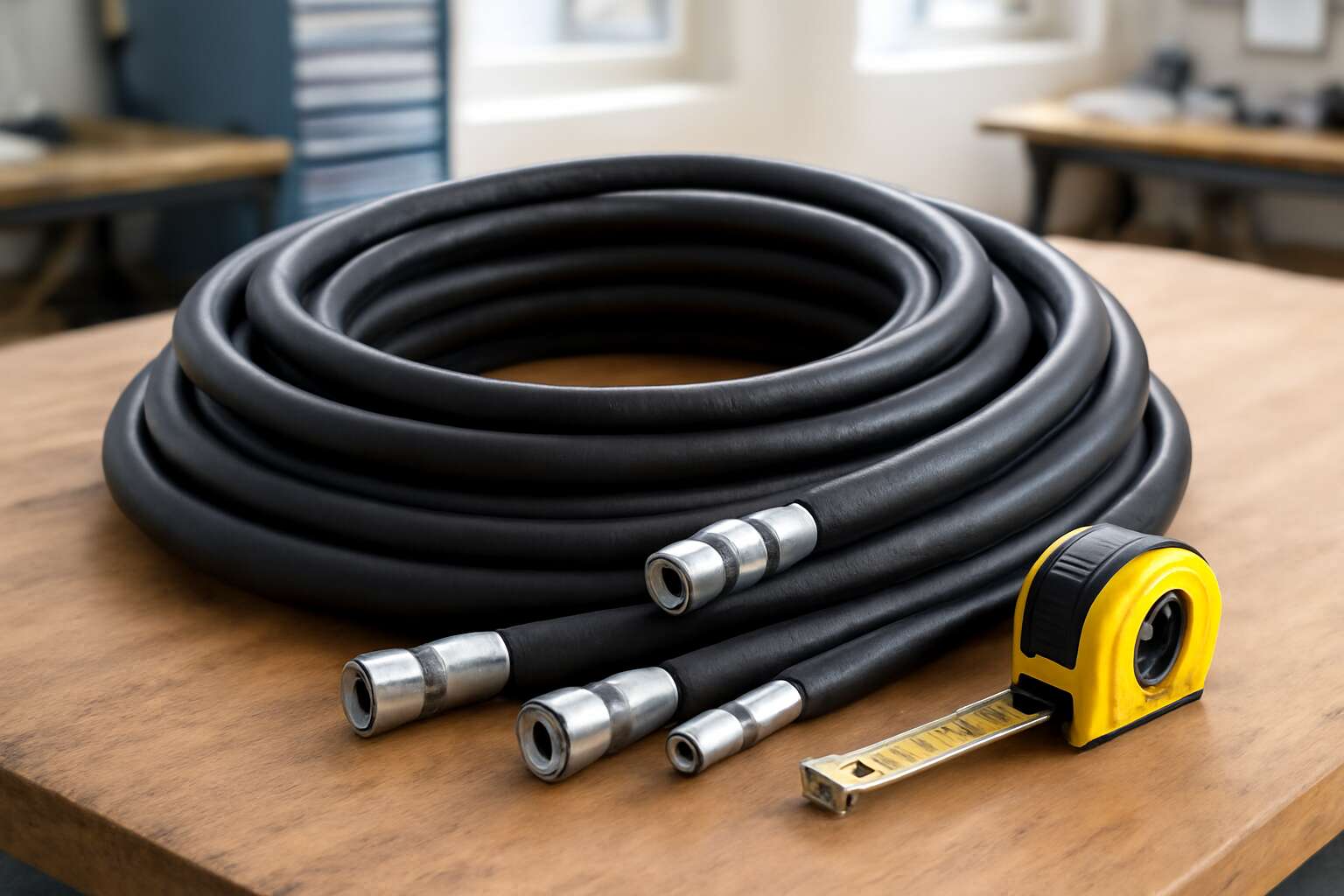
Comprehensive guide to estimating hydraulic hose requirements
Estimating Hose Length and Layout
Across South Africa, a single mis-sized hydraulic hose can derail a project and drain a budget. Studies suggest up to 30% of downtime stems from length errors. The fix is precise assessment, not guesswork—a thoughtful look at hose length and layout; the numbers seem to sing when measured with care. The core question becomes how much hydraulic hose will this setup need, and the answer lies in careful measurement and smart allowances rather than luck.
To navigate the comprehensive guide to estimating hose requirements, see the interplay between path, fittings, and movement. The layout is not a straight shot; it negotiates corners, pivots, and regions of vibration. Considerations include:
- Run length and direction
- Fittings, adapters, and swivel needs
- Movement, flexure, and maintenance access
- Environment and abrasion concerns
- Spare length for future changes
These elements help keep hydraulic systems efficient and predictable in SA workshops.
Hose Diameter and Type Selection
In busy South African workshops, a single mis-sized hose can derail production and drain the budget! A sharp statistic lingers—mis-sizing can shave up to 20 percent off system efficiency. The Comprehensive guide to estimating hydraulic hose requirements turns to Hose Diameter and Type Selection, where how much hydraulic hose begins with diameter, material, and fittings.
- Inner bore size aligned to expected flow and branch count
- Reinforcement and material choice for pressure and flex life
- Temperature rating and chemical compatibility with media
- Fittings, adapters, and swivel arrangements to minimize turbulence
- Environmental exposure: abrasion, UV, and ambient vibration
Diameter and type selection weave into operation’s rhythm, shaping reliability and service life across South Africa’s workshops.
Practical Sizing Guidelines for Different Applications
In busy South African workshops, a single mis-sized hose can stall a whole shift and pinch the budget. The ripple effects ripple into maintenance delays and unexpected downtime, especially on rugged rural sites where every minute counts. This section offers practical sizing guidelines for different applications, focusing on how to balance flexibility, life span, and safety without getting lost in jargon.
- Consider expected flow and pressure variance
- Account for bend radius and routing constraints
- Check temperature range and media compatibility
- Plan fittings, adapters, and swivel points to minimize turbulence
- Evaluate exposure to abrasion, UV, and vibration
Many readers ask, how much hydraulic hose is truly needed? The answer lies in the job’s rhythm and the equipment’s demands, and this guide helps South African professionals choose the right size and type for reliability and longevity.
Cost, Sourcing, and Longevity Considerations
South Africa’s workshop floors breathe a patient, merciless dusk. A recent survey shows up to 30% of unplanned downtime begins with a mis-sized hydraulic hose. In the dim glow, sizing isn’t mystery—it’s method. When you ask how much hydraulic hose you actually need, you’re not counting feet; you’re calibrating rhythm, risk, and resilience.
This is a comprehensive guide to estimating hydraulic hose requirements—Cost, Sourcing, and Longevity Considerations—for South African operations. It threads through total cost, supplier reliability, lead times, and the long life of treated rubber. The question, how much hydraulic hose remains, becomes a ledger of flow, pressure variations, and expected wear, not a guess.
Keep this ledger precise and pragmatic: specify bulk vs. per-length orders, track batch warranties, and align with maintenance windows to minimize turbulence. The right hose is not a luxury; it’s a quiet anchor against the gale of your day-to-day grind.




0 Comments