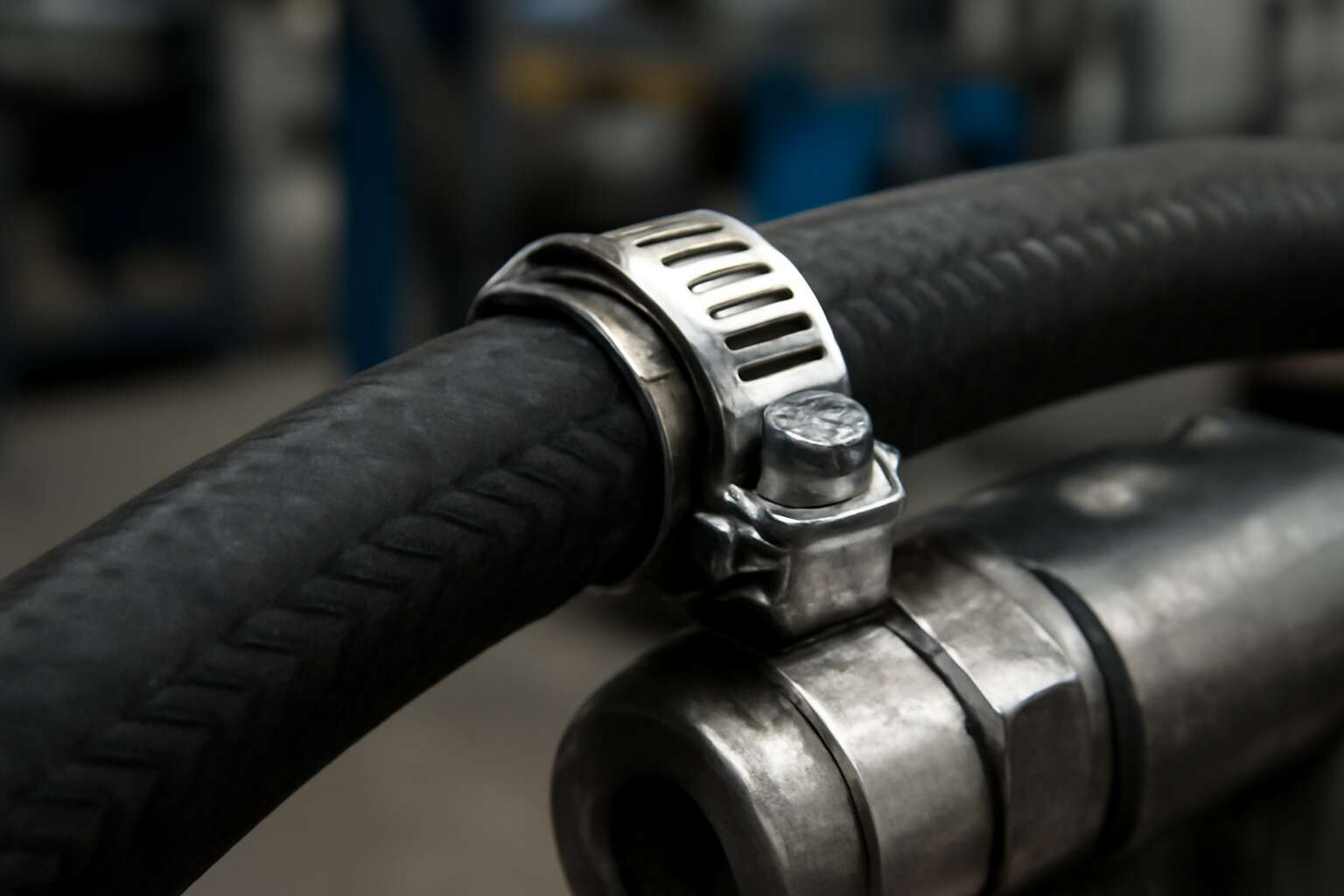
Overview of Hose Clamp Solutions for Hydraulic Systems
Definition and function of hose clamps in hydraulic lines
Across South Africa’s rugged industrial landscapes, hydraulic failures tied to faulty clamps spike when temperatures soar—some sites report a 22% jump in clamp-related shutdowns at peak heat. Hydraulic hose clamps stand as the quiet guardians of hydraulic lines, ensuring steady pressure and clean, reliable connections even as vibration and heat duel for dominance.
Defined simply, a hose clamp is a ring and fastener that grips a hose against a fitting, translating brute pressure into a sealed embrace. In hydraulic systems, these hydraulic hose clamps tame movement, prevent leaks, and preserve seal integrity when hoses flex under load, keeping the system calm when meters push hard.
Durability meets variety in the clamp landscape:
- Material compatibility and corrosion resistance
- Range of sizes and clamping force to match hoses
- Installation ease and vibration resilience
In demanding South African operations, hydraulic hose clamps safeguard uptime and safety.
Key features to evaluate when selecting clamps
Heat is the silent antagonist on SA sites, and clamp integrity often decides a project’s fate. Across rugged operations, clamp-related shutdowns rise by up to 22% when temperatures peak. Hydraulic hose clamps act as the quiet guardians of the line, restraining hose movement and preserving seals as vibration and heat duel for dominance. This overview highlights the features that separate decent clamps from dependable ones, guiding you toward solutions that endure under pressure!
Key features to evaluate when selecting clamps include the following:
- Material compatibility and corrosion resistance
- Range of sizes and clamping force to match hoses
- Installation ease and vibration resilience
Common clamp designs used in hydraulic applications
A seasoned technician once whispered, “The strongest line is the one that never tells you when it’s wounded.” In South Africa’s rugged environments, clamps do more than hold hoses; they quiet the vibration, conquer heat, and guard seals where lines meet metal. The world of hydraulic systems relies on a few trusted shapes to stay in concert under pressure.
- Oetiker-style ear clamps
- Worm-drive hose clamps
- Spring tension clamps
- T-bolt clamps
For South Africa’s harsh conditions, selecting the right hydraulic hose clamps is a quiet decision with loud consequences.
Industry applications and use cases for clamps in hydraulics
In South Africa’s rugged workshops, vibration gnaws at pressure lines, yet a simple clamp can hush the din. Field observations show up to 30% fewer leaks when clamps are chosen with care and installed correctly. Hydraulic hose clamps guard seals where metal meets rubber, letting equipment endure rough terrain.
Across mining, agriculture, and mobile hydraulics, clamp solutions form a versatile chorus. A spectrum of families offers precise grip, resistance to corrosion, and serviceability in dusty, sun-baked climates. The right choice balances ease of installation with a safety margin, keeping systems in tune under pressure.
Use cases include:
- Field repairs on heavy equipment
- High-vibration conveyors and hydraulics
- Outdoor machines facing sand and heat
In South Africa’s harsh conditions, selection hinges on corrosion resistance, temperature tolerance, and maintainability. Stainless variants and protective coatings keep hydraulic hose clamps performing when sand, heat, and altitude collide, preserving seals and line integrity.
Materials and Durability in Hose Clamp Design
Materials commonly used (stainless steel, zinc, etc.) and their advantages
Across South Africa’s bustling workshops, a single clamp can tilt the balance between a leak and a lasting seal. The secret lies in materials. Stainless steels such as 304 and 316 endure heat and coastal moisture; zinc-coated steel offers solid protection on a budget; polymer-coated finishes ease handling and reduce galling. These hydraulic hose clamps fuse strength with resilience, built to endure vibration, pressure, and long service life.
- Stainless steel (304/316): top-tier corrosion resistance and heat tolerance.
- Zinc-coated steel: economical protection for standard hydraulic lines.
- Polymer-coated variants: lighter weight and smoother clamp-hose interaction.
Durability isn’t only about metal; it’s about finishes that resist salt spray, geometries that spread load evenly, and compatibility with hydraulic fluids. In SA’s varied climates, heat, dust, and vibration put clamps to the test, and the right choice keeps performance steady from sunrise to sunset.
Corrosion resistance and environmental considerations
In South Africa’s busy workshops, a single clamp can tilt from a leak to a lasting seal overnight. Materials drive that outcome. Stainless steels such as 304 and 316 stand up to heat and coastal moisture; zinc-coated steel offers solid protection on a budget. Our hydraulic hose clamps are built to endure vibration, pressure, and long service life.
Durability isn’t only about metal. Finishes that resist salt spray, clever geometry that spreads load, and compatibility with hydraulic fluids keep performance steady from sunrise to sunset in SA’s climate.
- Stainless steel variants for challenging environments
- Zinc coatings for cost-conscious lines
- Polymer coatings to ease handling and reduce galling
These choices ensure corrosion resistance and reliable seals for hydraulic hose clamps, even where dust and heat ride the workday.
Temperature and pressure ratings for clamps
Across South Africa’s bustling workshops, a single clamp can flip a leak into a lasting seal overnight. A striking 80% of hydraulic line issues begin at the clamp, turning routine maintenance into downtime drama! Materials drive that outcome for hydraulic hose clamps, shaping durability as heat, vibration and salt spray in working environments.
Stainless steel variants for challenging environments—304 and 316—stand up to heat and coastal moisture; zinc-coated steel offers solid protection on a budget; polymer coatings ease handling and reduce galling.
- Temperature compatibility: -40°C to +150°C for stainless variants; polymer-coated options often tolerate up to about 120°C.
- Pressure considerations: clamps are chosen to withstand typical hydraulic line pressures in workshops and rugged field service.
- Fluid compatibility: materials resist common hydraulic fluids to preserve seals and prevent corrosion.
These choices ensure corrosion resistance and reliable seals for hydraulic hose clamps in SA’s dusty, hot climate.
Finish types and their impact on longevity
In South Africa’s sun-baked workshops, the finish on a clamp can decide if a leak becomes a lasting seal overnight. Finish surfaces steer longevity under heat, vibration and dust. A polished stainless layer and polymer coatings resist corrosion at harsh intervals, while zinc plating cushions cost without wrecking reliability. For hydraulic hose clamps, the finish is a quiet ally against the elements.
Finish types include:
- Electropolished 304/316 stainless steel for maximum corrosion resistance
- Zinc-coated steel for budget-conscious protection
- Polymer coatings (epoxy, PTFE) to ease handling and reduce galling
- Passivated or clear-coated surfaces to extend seal life
With the right finish, hydraulic hose clamps defy salt spray, heat, and vibration, extending service life and uptime rather than inviting downtime.
Sizing and compatibility with hoses and fittings
Industry data hints that up to 30% of hydraulic leaks start as a sizing mismatch. Durability, then, hinges less on bravado and more on how clamps behave under heat, vibration and dust in South Africa’s tough workshop environments. In the right pairing, steel that resists rust or coatings that shed wear translate into longer life for the system. Hydraulic hose clamps act as quiet guardians when their material and geometry suit the hose and fitting mix, keeping pressure losses unfashionably low and uptime impressively high.
When sizing and compatibility come into play, the dialogue moves beyond looks. Proper band width, grip range, and the fit to hose durometer determine whether the seal stays obedient through movement and thermal cycles. The interface with fittings also matters, as load distribution can avert creaks and micro-leaks at elbows and tees.
- Band width and thickness aligned to hose diameter
- Screw drive type and torque tolerance
- Finish compatibility with hose lining and fittings
All told, the sturdiness of hydraulic hose clamps underpins service life and reliability—especially in the sun-drenched workshops of South Africa—where a well-matched clamp bites down on pressure, not on performance.
Installation, Sizing, and Fitment for Hydraulic Systems
Choosing the right clamp size and band width
Installation is where the metal’s vow becomes a seal — hydraulic hose clamps cradle the hose with even pressure, resisting vibration and the harsh kiss of South Africa’s sun and dust.
Sizing is a careful art, not a game of chance; it hinges on hose diameter and band width. The right choice balances grip and flexibility, ensuring steadfast performance through heat, pressure, and movement.
Fitment means alignment with fittings and a clean interface; clamps should sit squarely, avoiding crowding adjacent components, preserving longevity on rugged work sites.
Best practices for secure installation and torque guidelines
Installation is where promises become seals, especially under South Africa’s dust and sun. The field’s maxim: torque to the spec while keeping the clamp square and the interface clean. Hydraulic hose clamps must embrace the hose with even pressure, resisting vibration and heat cycling, so the interface remains true through long days on rugged sites.
Sizing hinges on hose diameter and band width. The goal is uniform contact without pinching or slack, a clean interface that accommodates movement and heat cycling. Hydraulics demand precise seating of clamps around the hose to maintain integrity under pressure.
Fitment is alignment with fittings and a clean interface. Clamps should sit squarely, not crowd other components, and remain secure after vibration. On rugged sites, ensure the interface stays free of burrs and debris; a precise fit wards off leaks and lengthens service life for hydraulic hose clamps—nobody enjoys chasing leaks in a SA afternoon.
Impact of clamping on hose integrity and pressure performance
Installation is where promises become seals. That means hydraulic hose clamps must bite evenly, sit square, and keep the interface clean to resist vibration and heat cycling. On South African sites, dust and sun test joints relentlessly, so proper alignment matters as much as torque in keeping leaks at bay!
Sizing hinges on hose diameter and band width. The goal is uniform contact without pinching or slack, a clean interface that accommodates movement and heat cycling. Key sizing considerations include:
- hose diameter
- band width
- seat depth and cleanliness
Fitment is alignment with fittings and a clean interface. Clamps should sit squarely, not crowd other components, and stay secure after vibration. On rugged sites, ensure the interface stays free of burrs and debris; precise fit wards off leaks and extends service life for hydraulic hose clamps.
Common installation mistakes and how to avoid them
Installation is where promises become seals. Hydraulic hose clamps must bite evenly, sit square, and keep the interface clean to resist vibration and heat cycling. On South African sites, dust, sun, and grit test joints relentlessly, so proper alignment matters as much as torque in keeping leaks at bay for hydraulic hose clamps!
Sizing hinges on hose diameter and band width for hydraulic hose clamps. The goal is uniform contact without pinching or slack, a clean interface that accommodates movement and heat cycling. Common mistakes include selecting the wrong diameter, an overly wide or narrow band, and insufficient seat depth or cleanliness.
Fitment is alignment with fittings and a clean interface. Clamps should sit squarely, not crowd other components, and stay secure after vibration. Ensure the interface is free of burrs and debris; precise fit wards off leaks and prolongs service life for hydraulic hose clamps.
Tools and accessories that streamline installation
Installation is where promises become seals. On South African sites, bite must be even, sit square, and the interface clean to resist vibration and heat cycling. This is where hydraulic hose clamps deserve a patient, deliberate touch to keep leaks at bay and ensure longevity when the job is tough.
Sizing hinges on hose diameter and band width for a uniform contact that neither pinches nor leaves slack. The goal is a clean interface that accommodates movement and thermal cycling without compromising grip or service life.
Fitment is alignment with fittings and a clean interface. Clamps should sit squarely, not crowd other components, and stay secure after vibration. Ensure the interface is free of burrs and debris; precise fit wards off leaks and lengthens life.
Maintenance, Troubleshooting, and Compliance
Inspection routines and signs of wear or failure
Maintenance folks in SA know the clock ticks fastest when a hose sneaks a leak during a shift. In our field, up to 15% of unplanned downtime is tied to clamps failing or loosening—so staying on top of hydraulic hose clamps is a non-negotiable habit.
Troubleshooting starts with a visual and tactile audit. If the clamp shifts, the band is corroded, or there’s fluid staining at the joint, it signals a need for deeper evaluation.
- Visible corrosion on band or fastener
- Loose screws or a gap indicating under-torque
- Cracked, frayed, or displaced hose near the clamp
- Fluid seepage or dampness around the joint
Compliance inspection routines hinge on documented checks, material traceability, and replacement thresholds. Look for early wear—cresting coating wear, heat discoloration, or loosened fasteners near hydraulic hose clamps—and ensure audit logs capture dates, findings, and any corrective actions.
Replacement criteria and lifecycle planning
Maintenance crews in SA know the clock ticks fastest when a leak creeps into a shift. Regular attention to hydraulic hose clamps keeps pressure stable and downtime low: clean lines, secure fasteners, and compatible materials protect the system. A well-kept clamp is the quiet watchdog, sparing hoses from sneaking failures.
Troubleshooting begins with a visual and tactile audit. If the clamp shifts, the band corrodes, or there’s staining at the joint, deeper evaluation follows.
- Visible corrosion on band or fastener
- Loose screws or a gap indicating under-torque
- Cracked, frayed, or displaced hose near the clamp
- Fluid seepage or dampness around the joint
These signs signal a need for formal review of the hydraulic hose clamps assembly. Compliance routines hinge on documented checks, material traceability, and clearly defined replacement thresholds. Look for early wear—coating wear, heat discoloration, or loosened fasteners—and ensure audit logs record dates, findings, and actions, shaping lifecycle planning for hydraulic hose clamps.
Standards, certifications, and industry compliance (e.g., SAE, ISO)
Across South Africa’s plants, leaks steal minutes and margins—up to a quarter of downtime can trace to hose connections. Regular care of hydraulic hose clamps keeps pressure stable, lines clean, and fasteners secure, with materials matched to service. A well-kept clamp guards system longevity; I’ve seen that quiet sentinel save a shift.
Troubleshooting begins with a brisk visual and tactile audit. If the clamp shifts, the band corrodes, or there’s staining at the joint, deeper evaluation follows. Look for visible corrosion, loose screws or under-torque, cracked hoses, or fluid seepage that marks a need for review.
Compliance isn’t a afterthought—it is a discipline. Document checks, trace materials, and set clear replacement thresholds to shape lifecycle planning. Align with SAE and ISO guidelines and consider DIN for regional applications to keep the fleet compliant and credible.
- SAE standards for hose clamps and assemblies
- ISO certifications and quality-management expectations
Troubleshooting common clamp-related issues
Every minute counts on a South African plant floor, and the silent guardians of hydraulic systems are the clamps that cradle pressure. Regular maintenance turns leaks into history, keeps lines clean, and ensures fasteners stay true to service needs. A well-kept clamp quietly extends system life and steadies the shift.
Troubleshooting begins with a brisk visual audit of hydraulic hose clamps. If the clamp shifts, the band corrodes, or staining appears at the joint, deeper evaluation follows. Look for visible corrosion, loose screws, under-torque, cracked hoses, or seepage that marks a review.
- Shifted clamp
- Corroded band
- Staining at the joint
- Loose screws or under-torque
- Cracked hoses
- Fluid seepage
Compliance is a discipline. Document checks, trace materials, and set replacement thresholds to shape lifecycle planning. Align with SAE and ISO guidelines; consider DIN for regional needs to keep the fleet compliant and credible.
Documentation and traceability for regulated environments
On South African plant floors, maintenance is the quiet heartbeat of reliability. Regular cleaning, corrosion checks, and sensible replacement intervals keep the network of hoses and clamps singing under pressure. Hydraulic hose clamps deserve the same steady care.
When trouble comes, a calm visual audit guides the way. Look for misalignment, worn bands, staining at joints, or damp spots near connections—signs that demand closer attention before a fault turns into downtime.
Compliance documentation and traceability are not bureaucratic luxuries but lifelines in regulated environments. Every clamp should have a traceable provenance: installation date, material lot, and maintenance history. Align with SAE and ISO; consider DIN for regional fleets.
- Material provenance and batch traceability
- Installation date and responsible technician
- Replacement thresholds and audit-ready records



0 Comments